Creighton Galleries
Campus Buildings
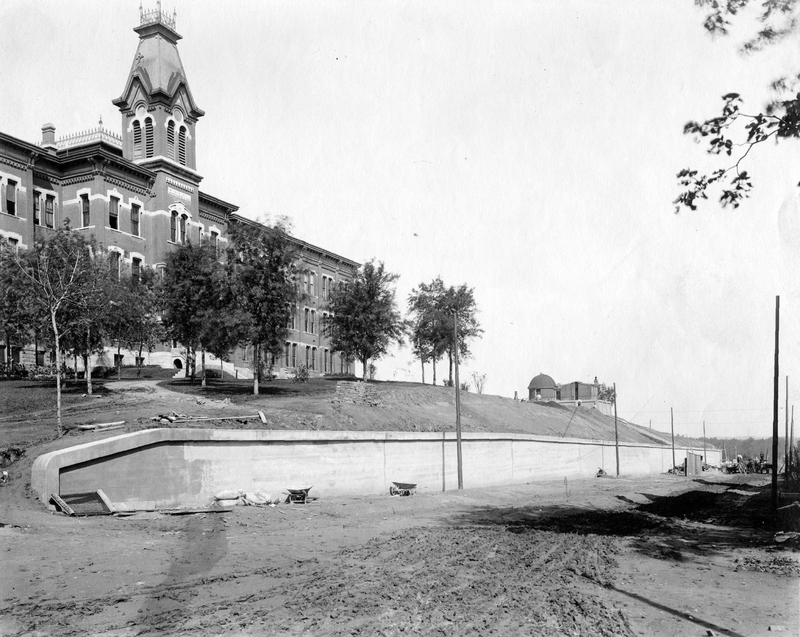
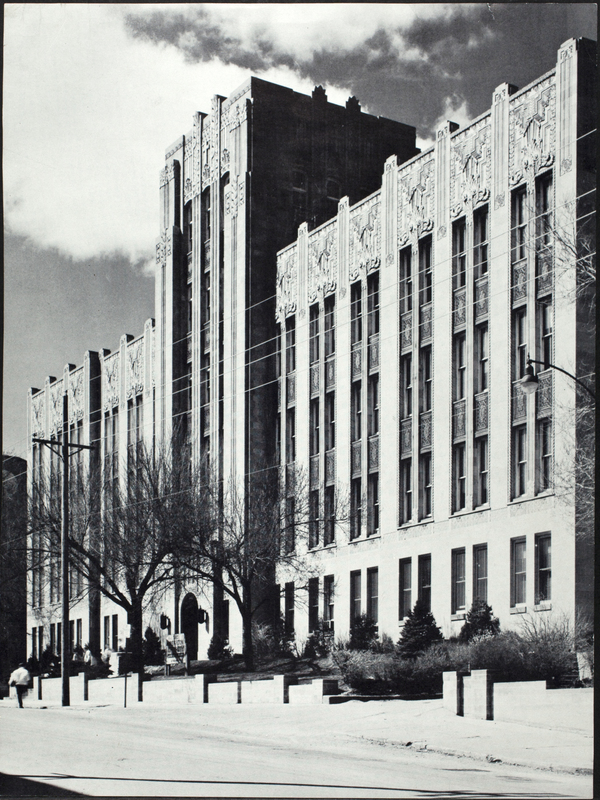
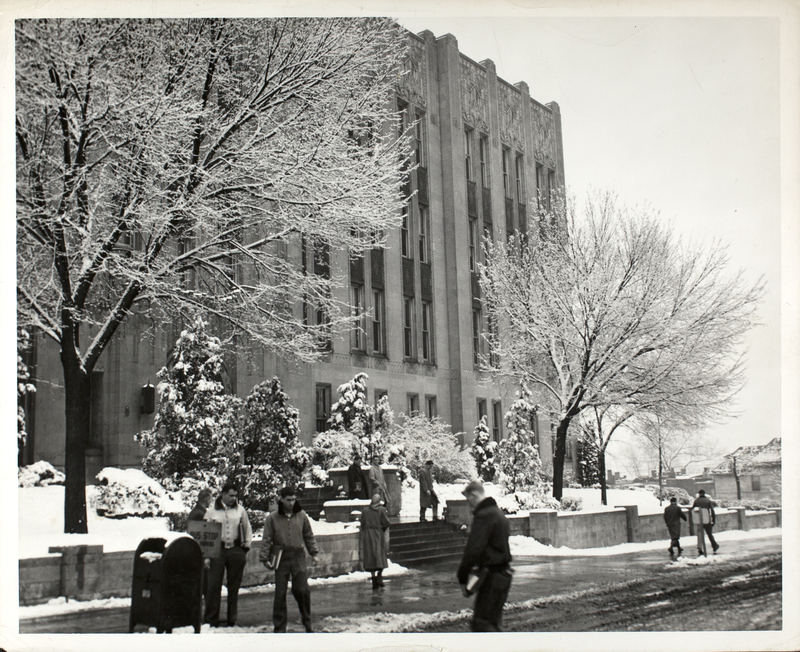
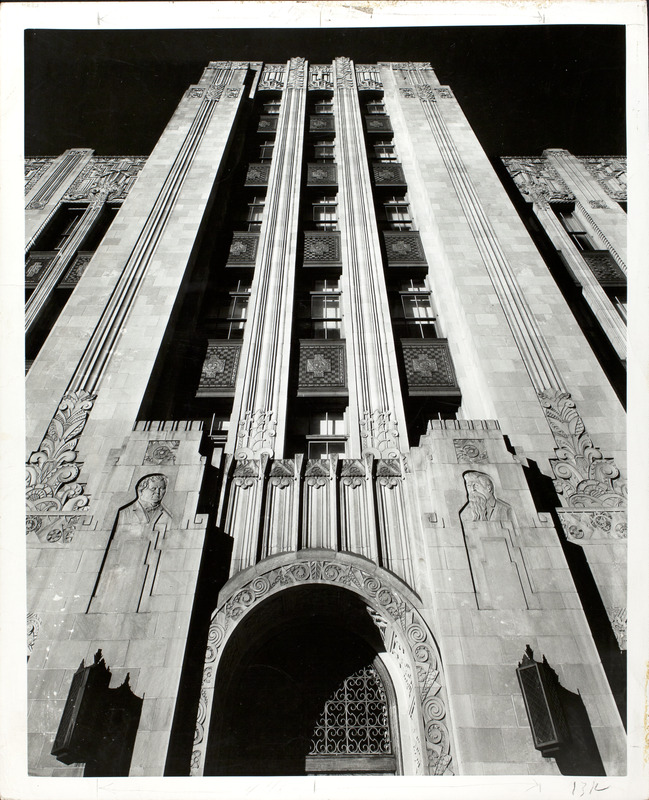
Creighton Hall
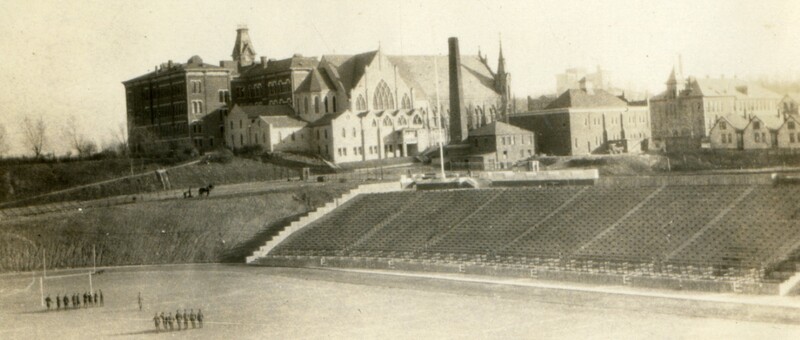
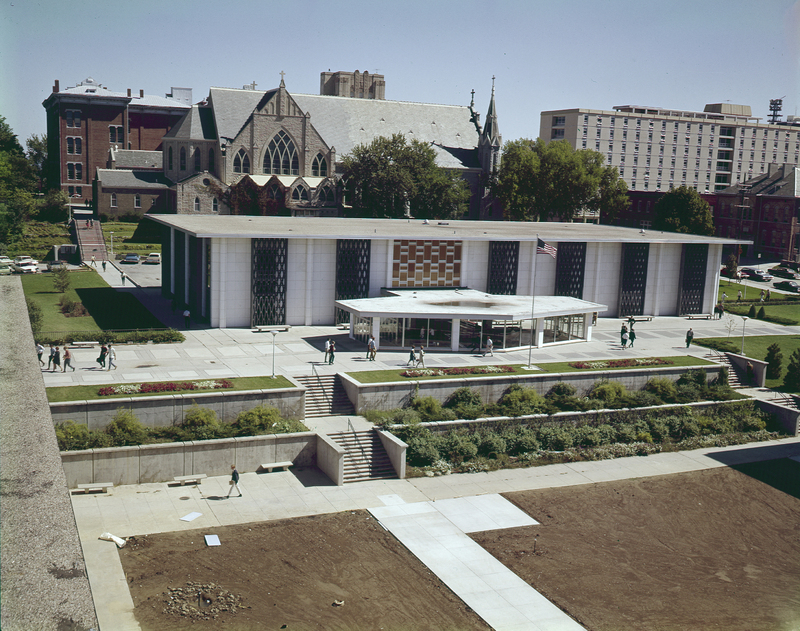
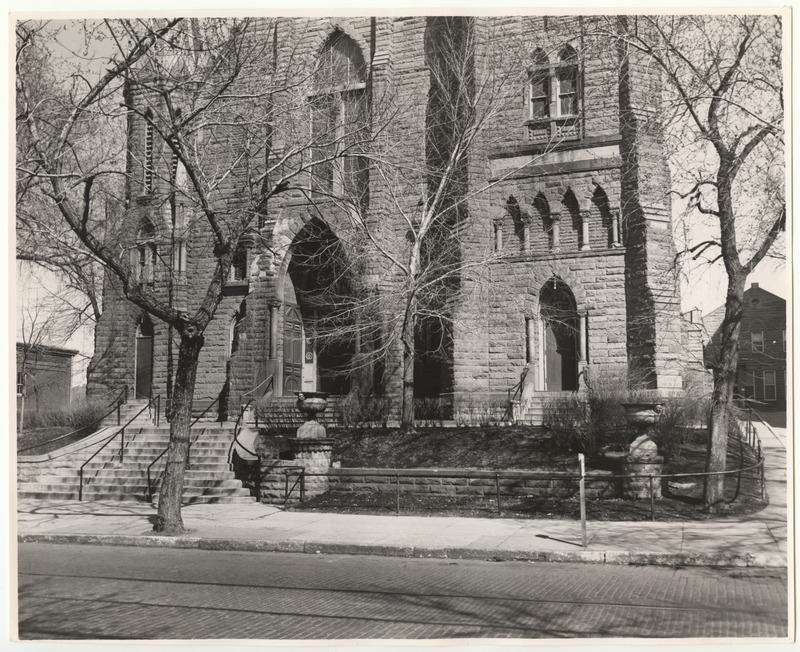
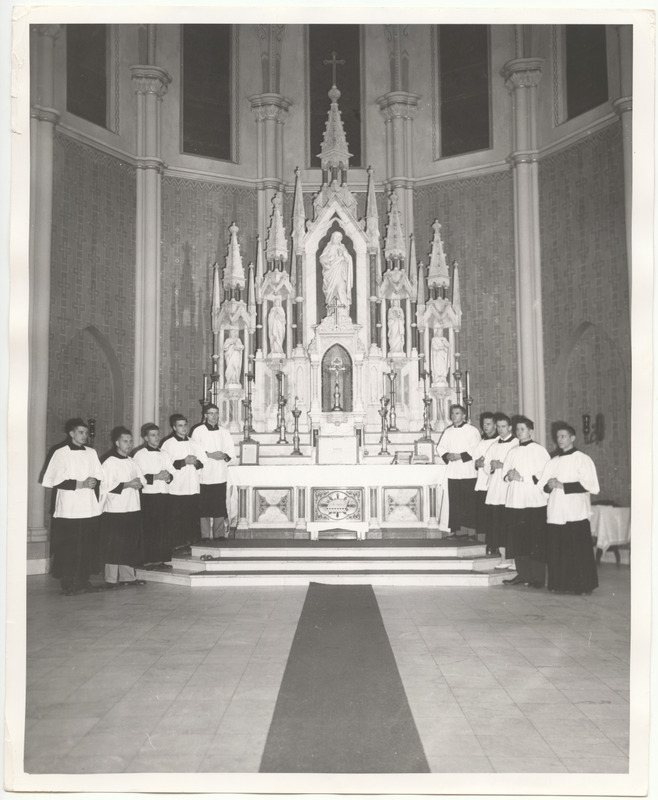
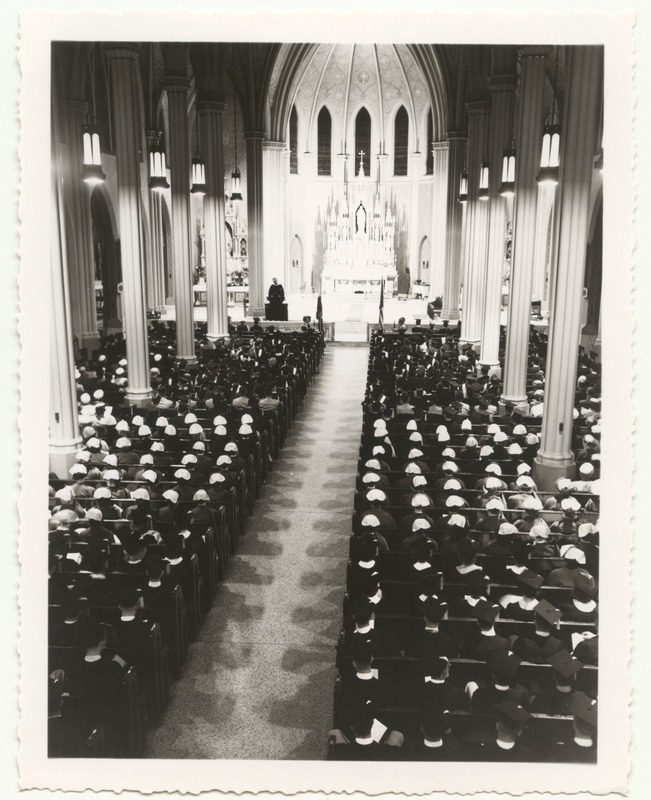
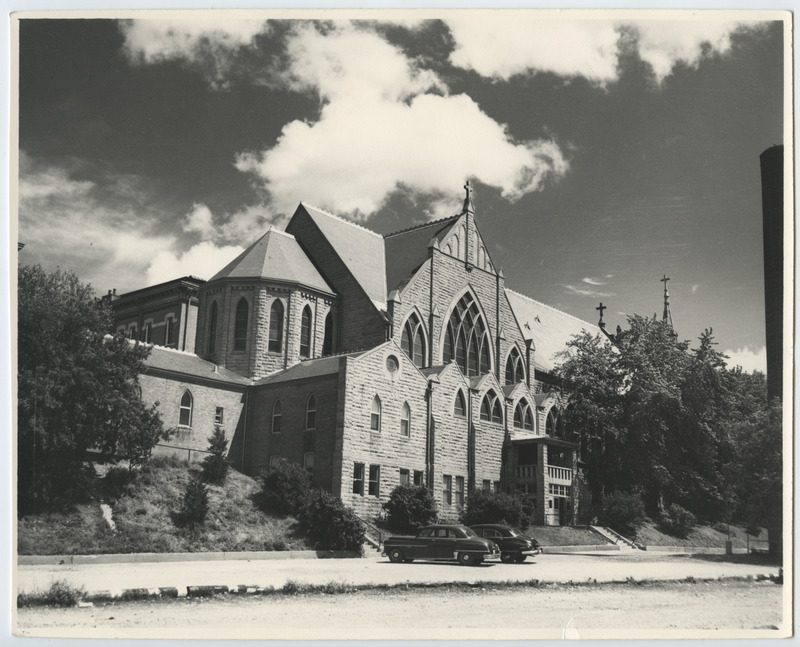
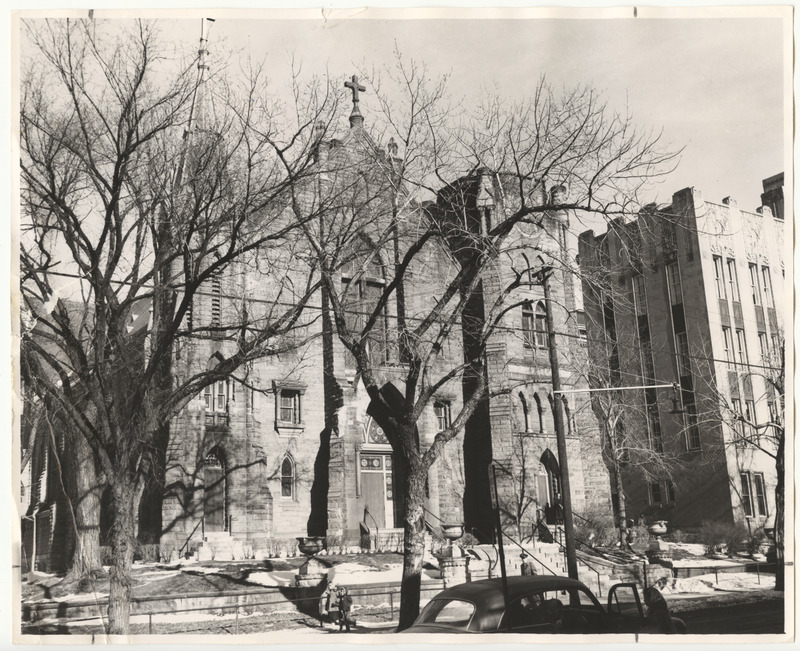
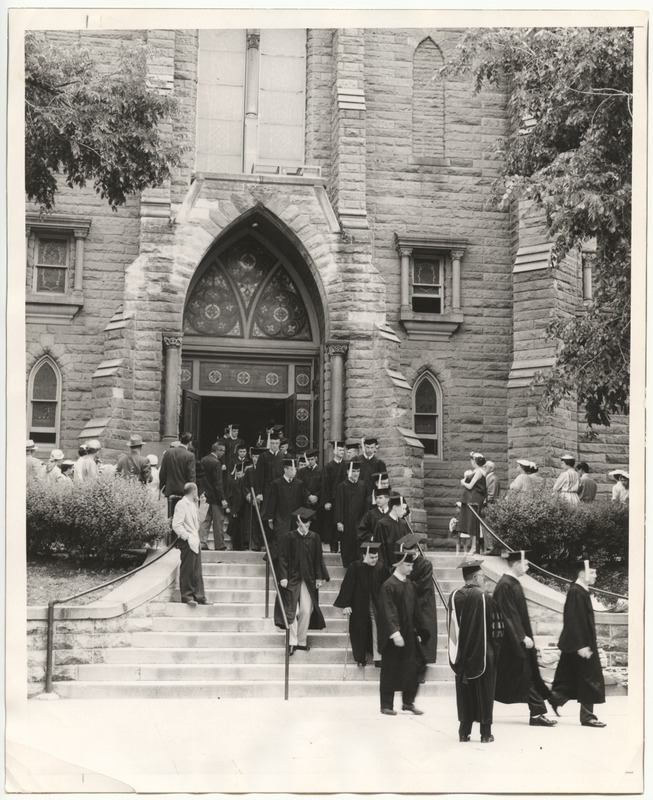
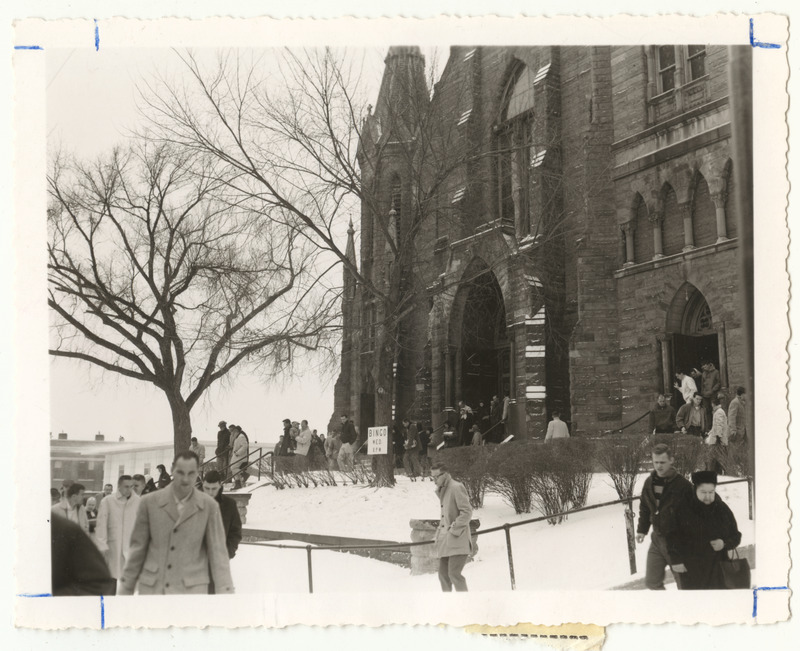
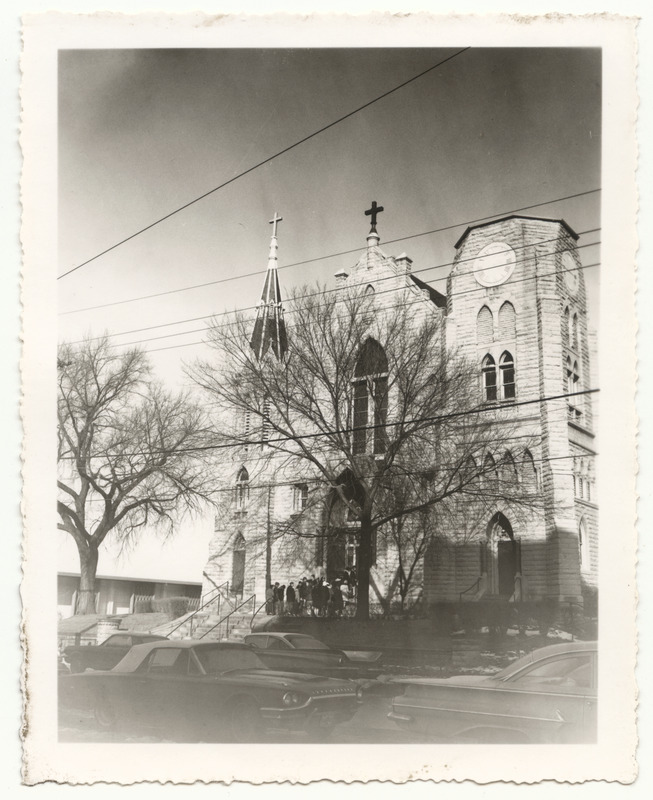
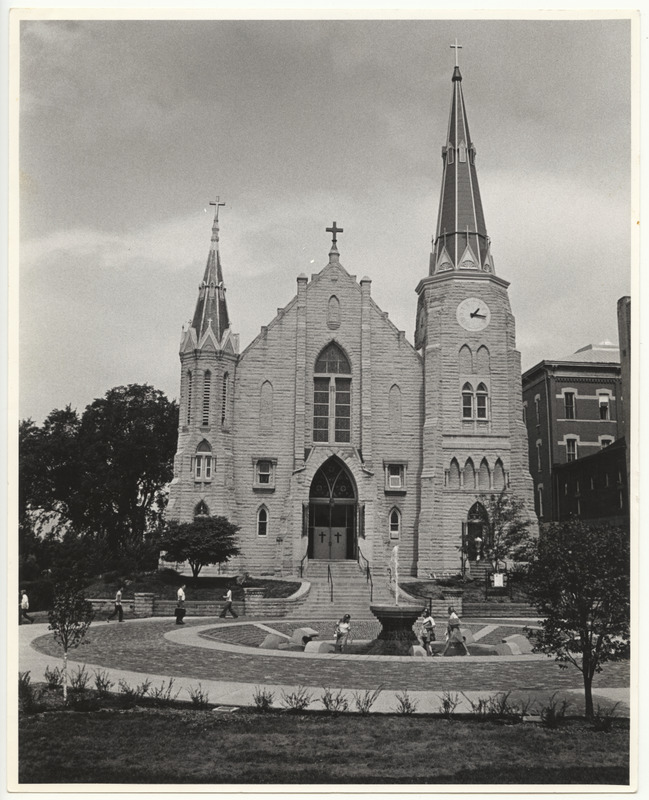
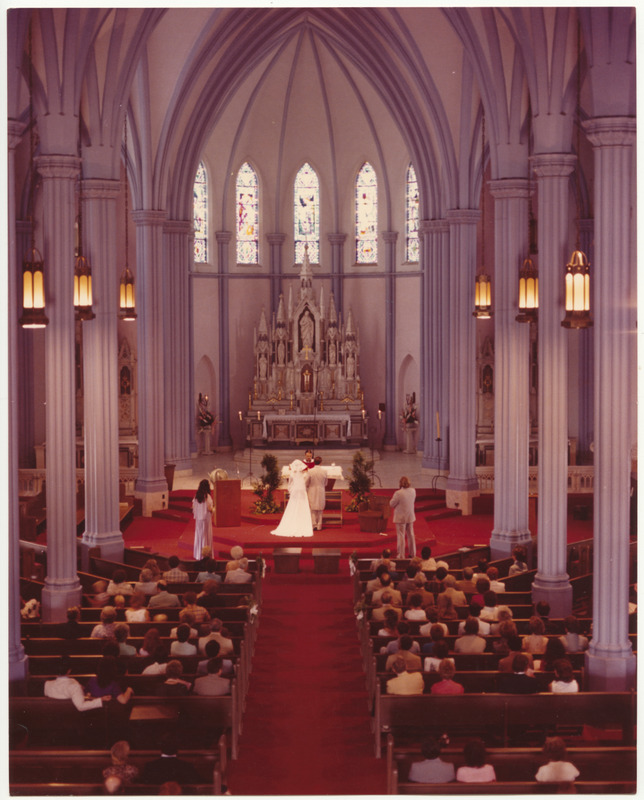
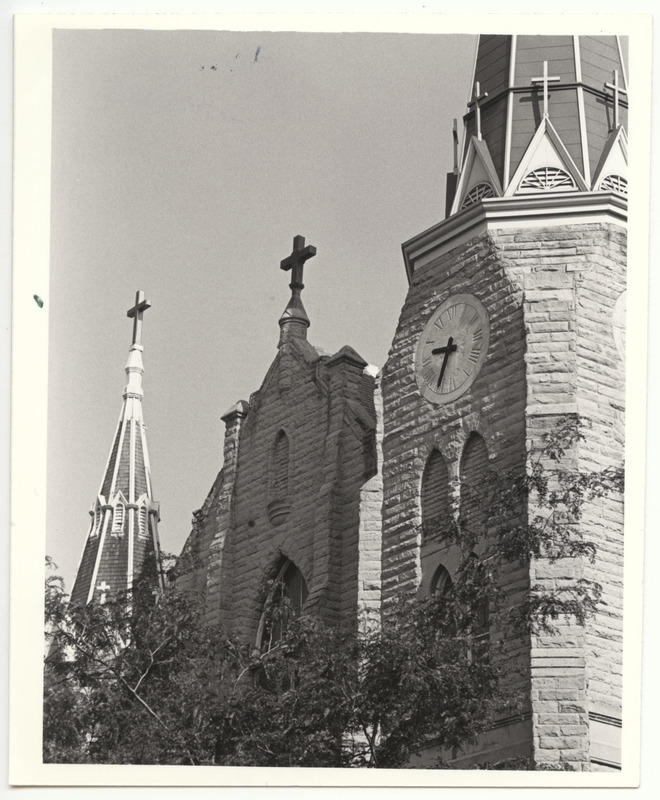
St. John's Church
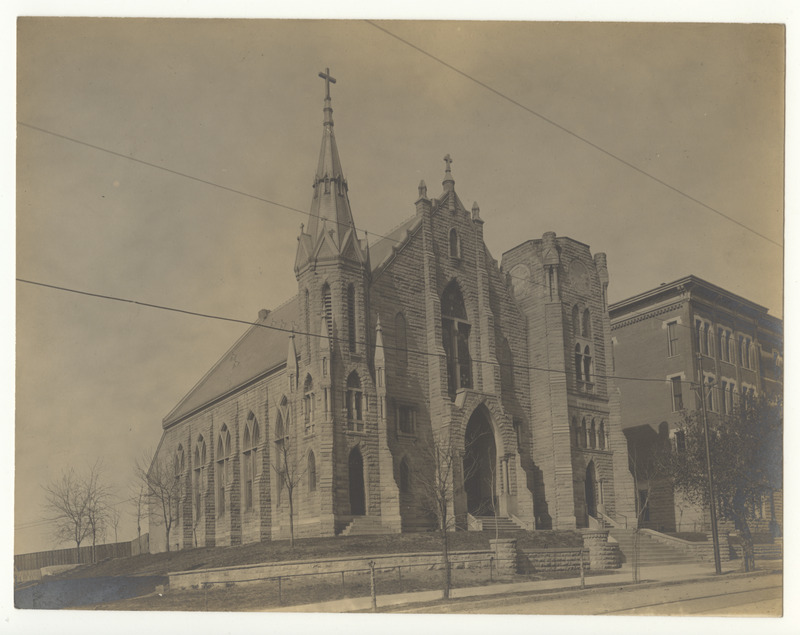
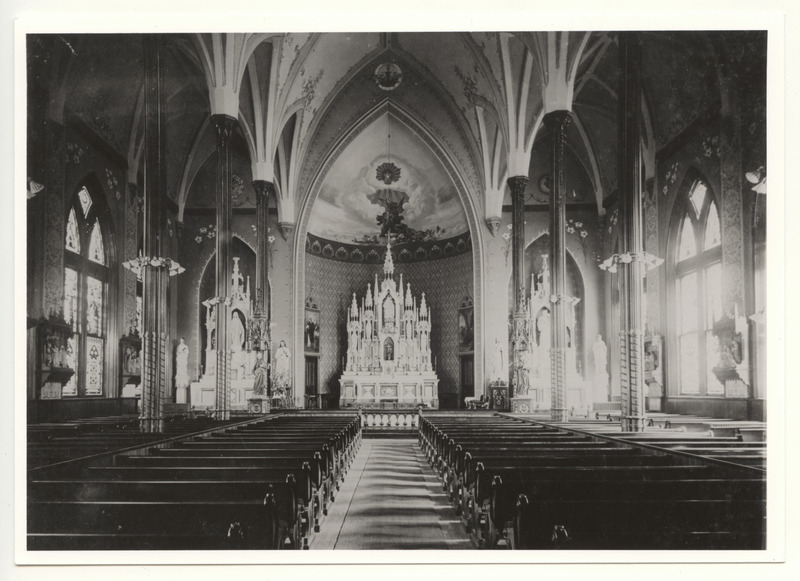
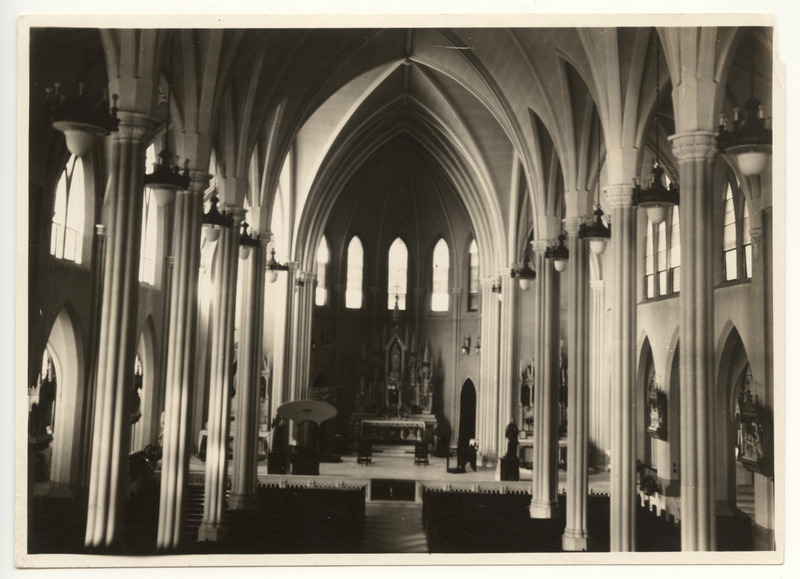
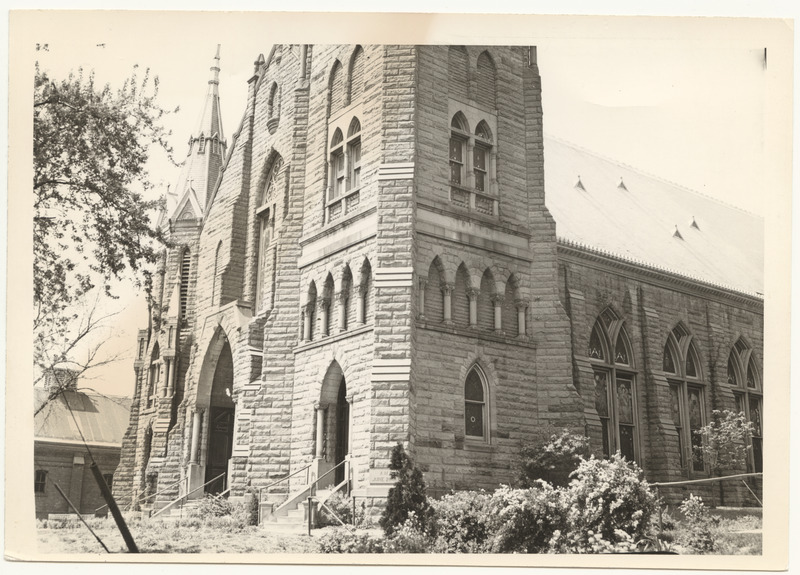
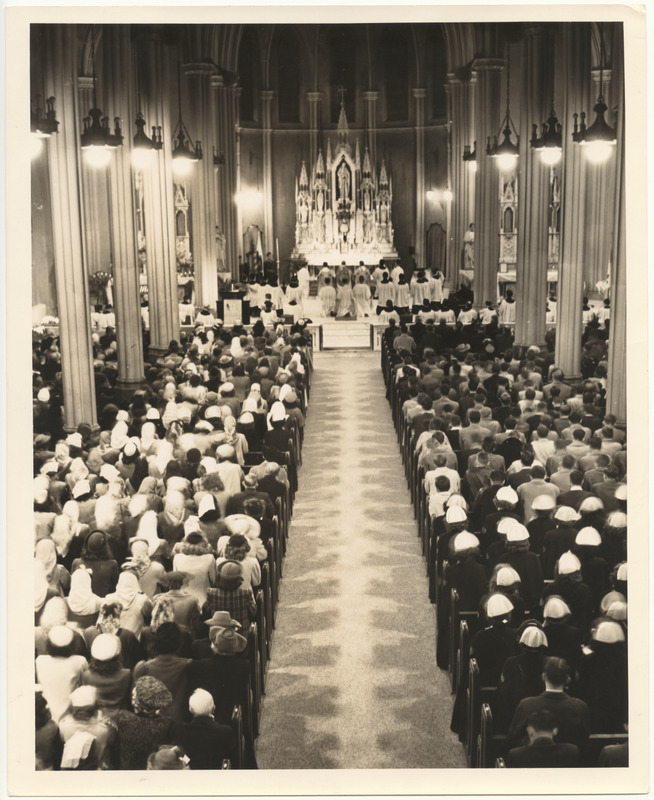
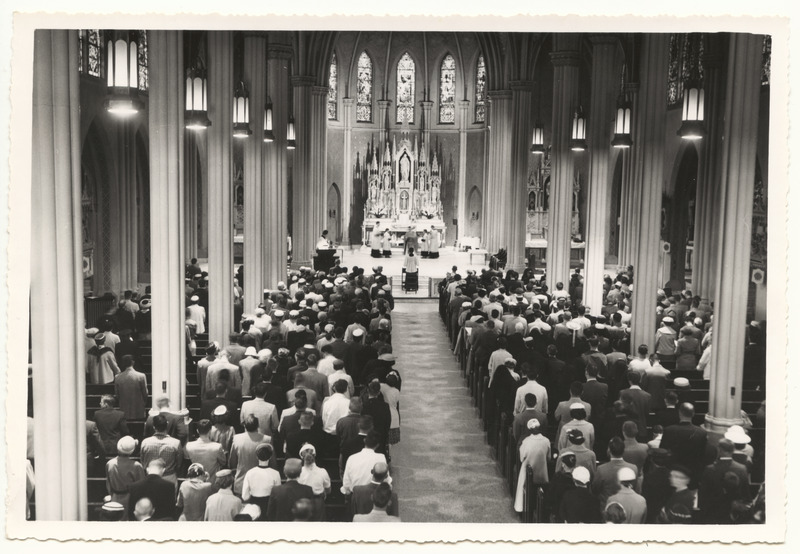
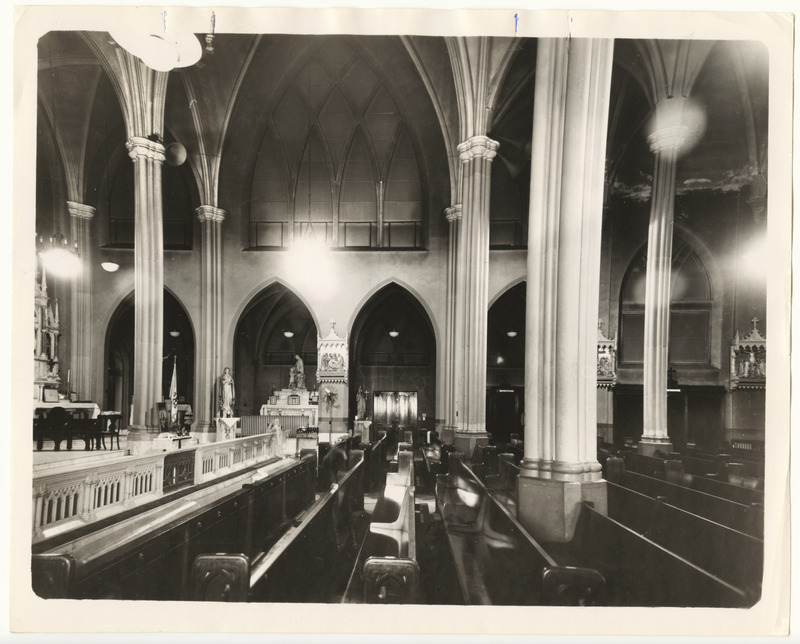
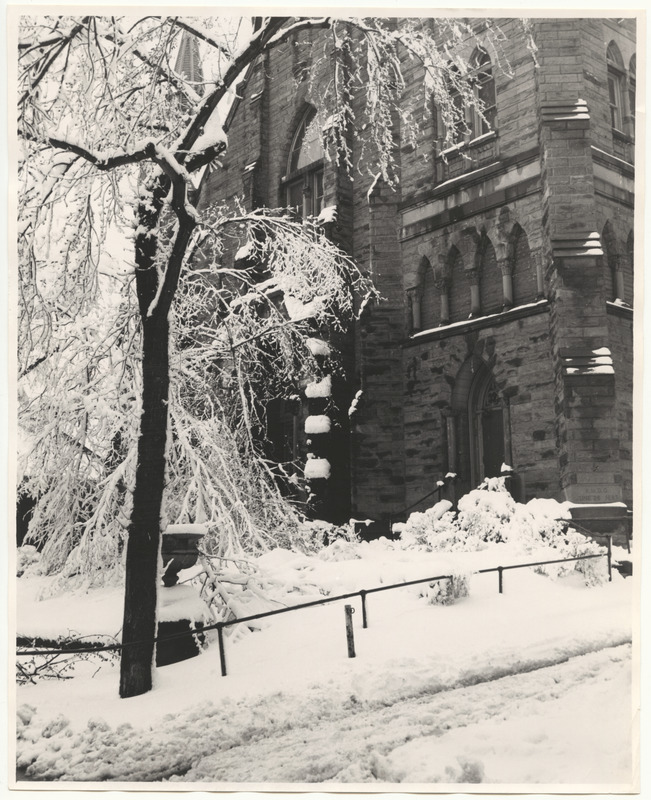
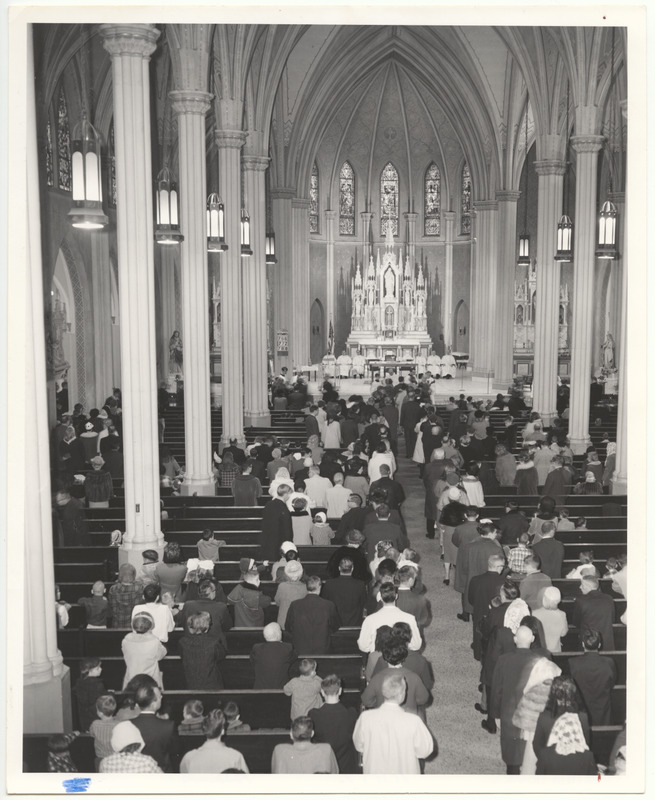
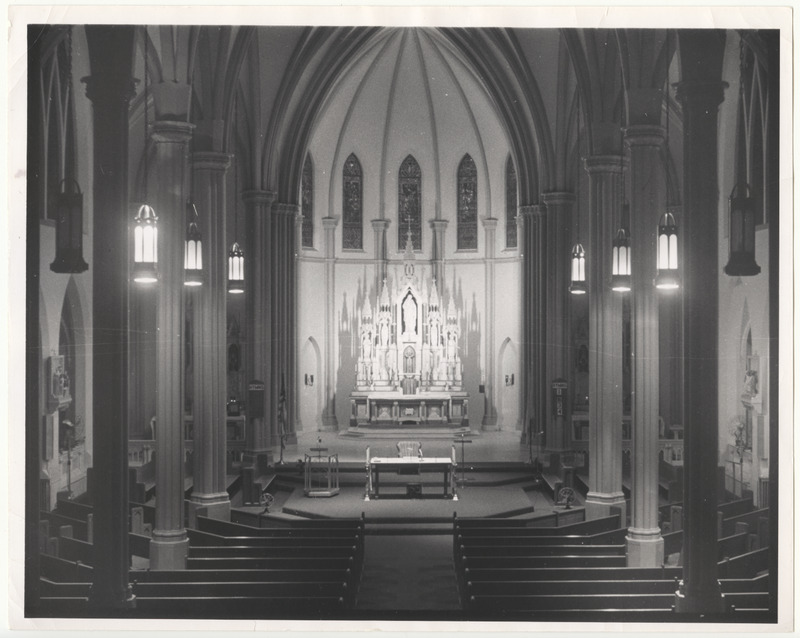
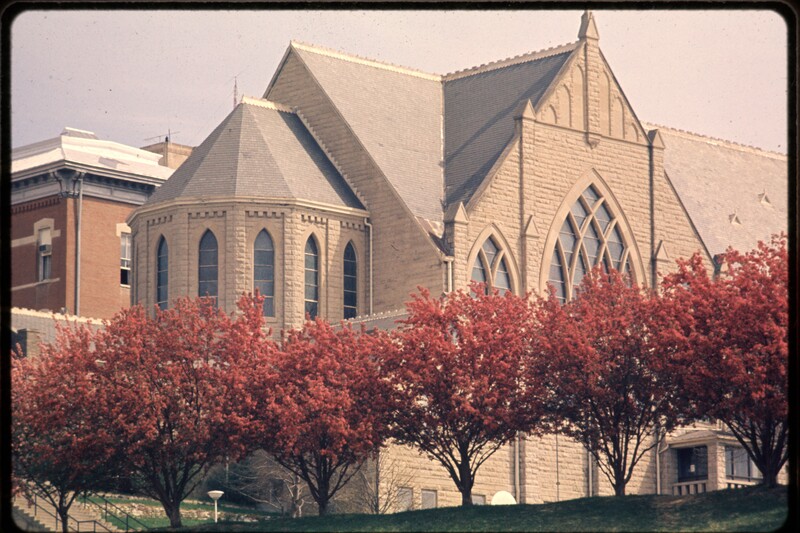
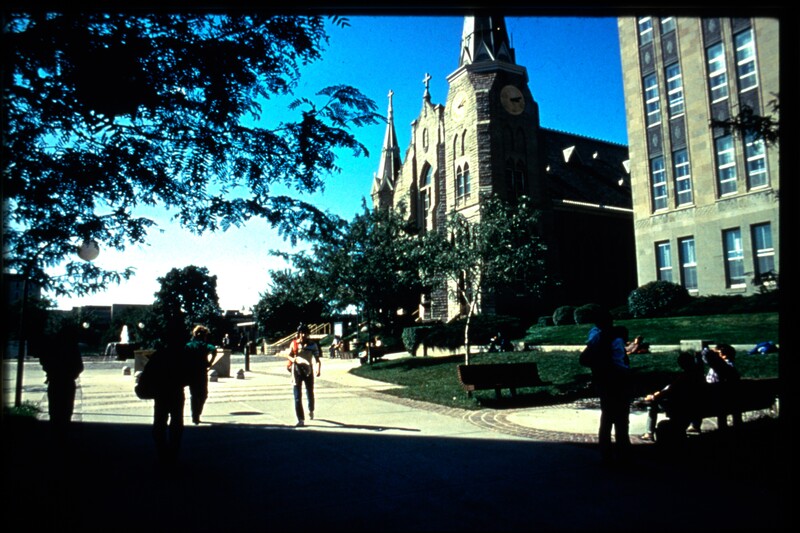
The cornerstone of St. John’s Church was laid on June 26, 1887. Omaha architect, P.J. Creedon, was brought in to design St. John’s in the English Gothic style. The new church was dedicated on May 6, 1888, less than a year after the laying of the cornerstone. Bishop O’Connor presided over the dedication mass. The Jesuits intended to dedicate the church to John the Baptist, who was the patron Saint of John Creighton. However, Bishop O’Connor was not aware of this, and instead dedicated the church to John the Evangelist since May 6th was his feast day.
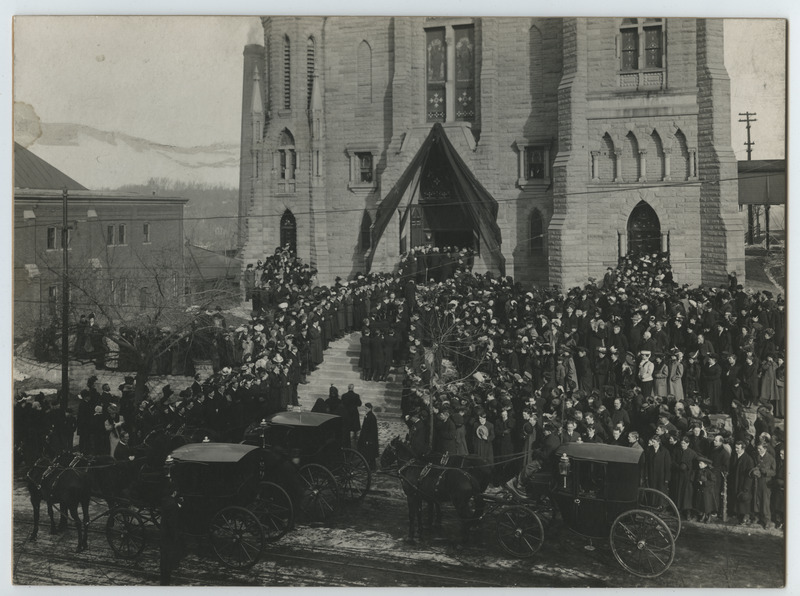
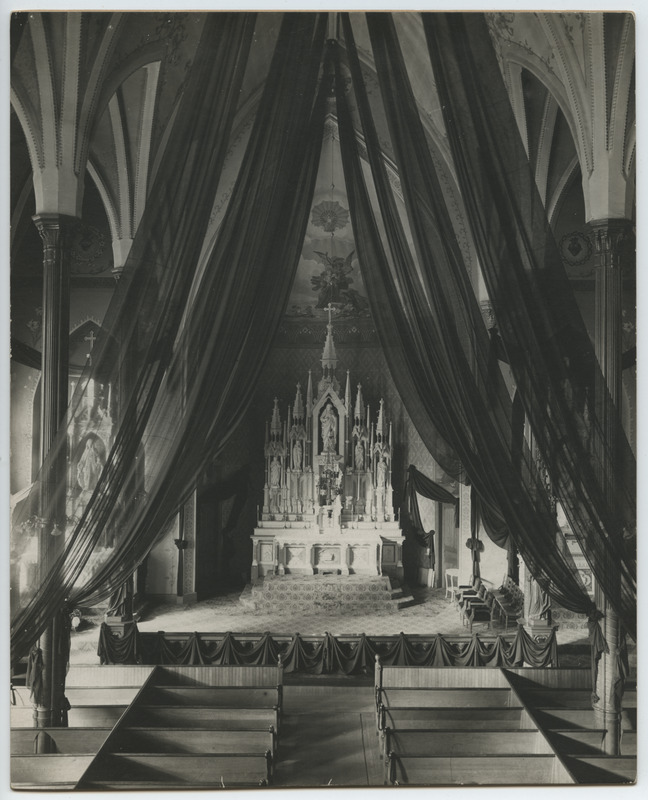
The first funeral held at St. John’s was that of Sarah Emily Wareham Creighton. Sarah made the initial push for the creation of a church on campus so the students had a place to worship. Sarah passed away in 1888, shortly after the construction of St. John’s. However, St. John’s was not a parish and had no pastor, despite being the largest Catholic church in Omaha. So, special permission was needed to have her funeral there.
In 1892, work began to make St. John’s a parish. However, there were several legal hoops to jump through, and St. John’s did not become a parish church until 1897. In 1907, John Creighton’s funeral was held at St. John’s Church, where an estimated 3,000 people attended.
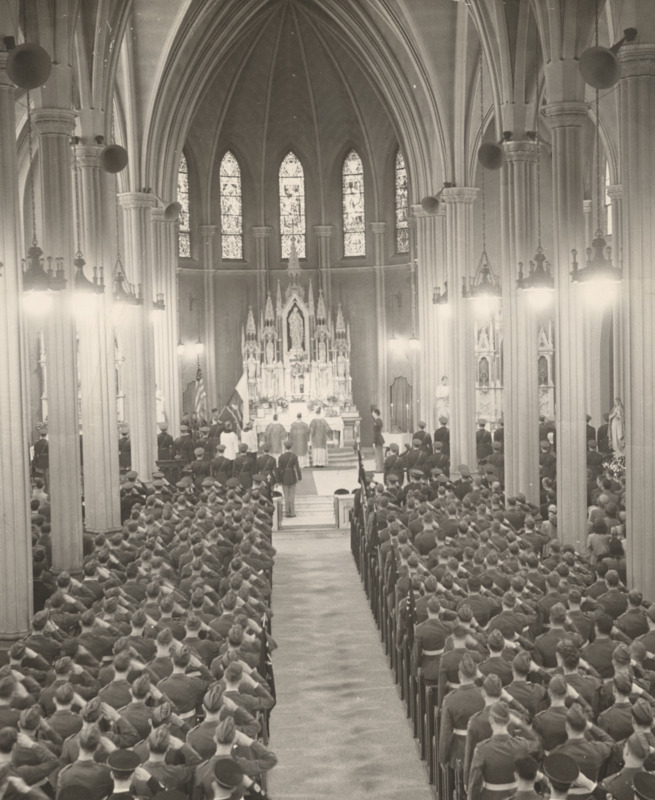
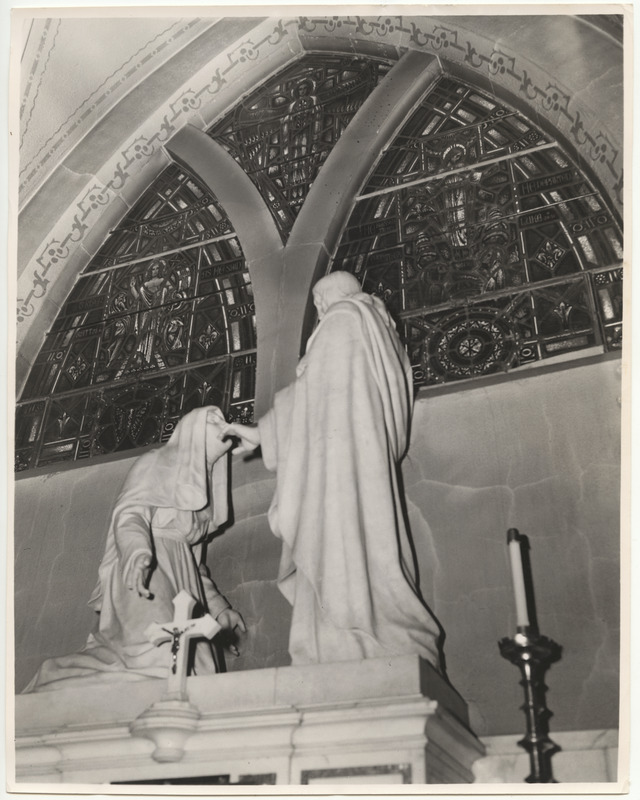
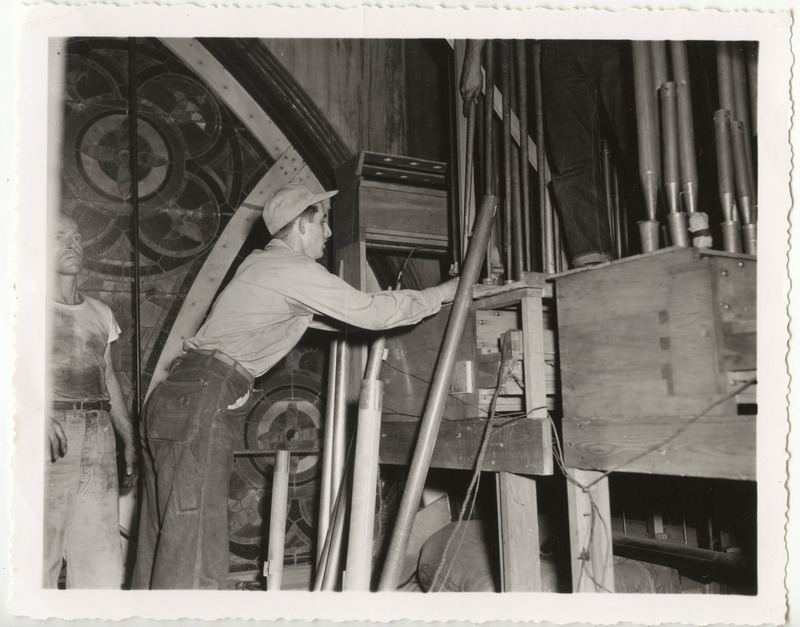
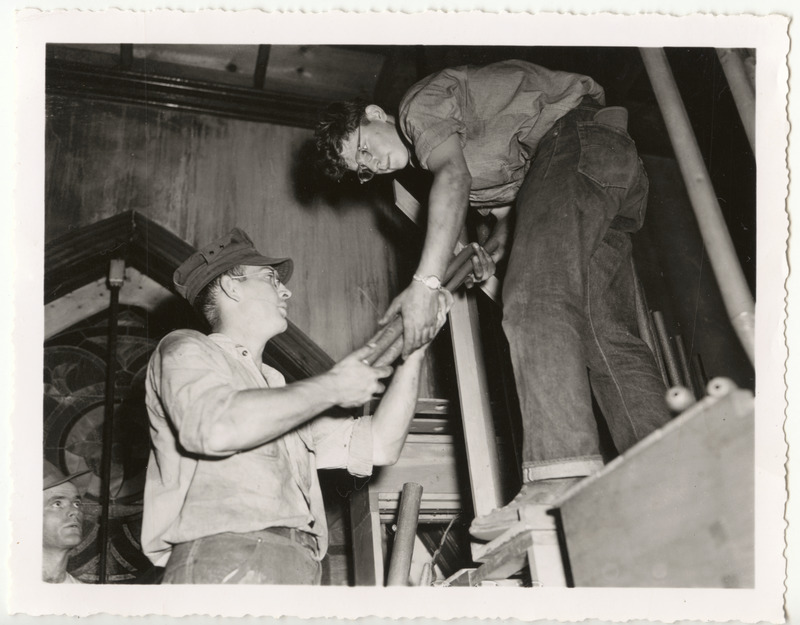
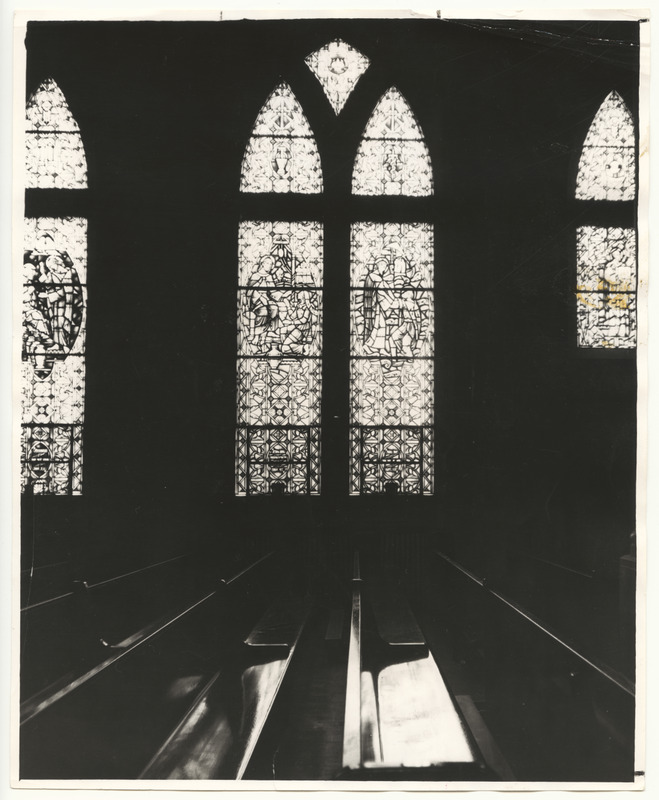
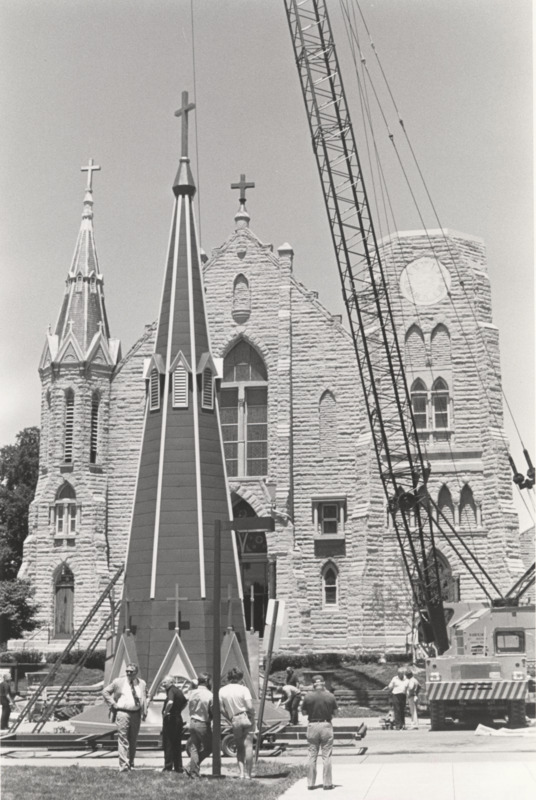
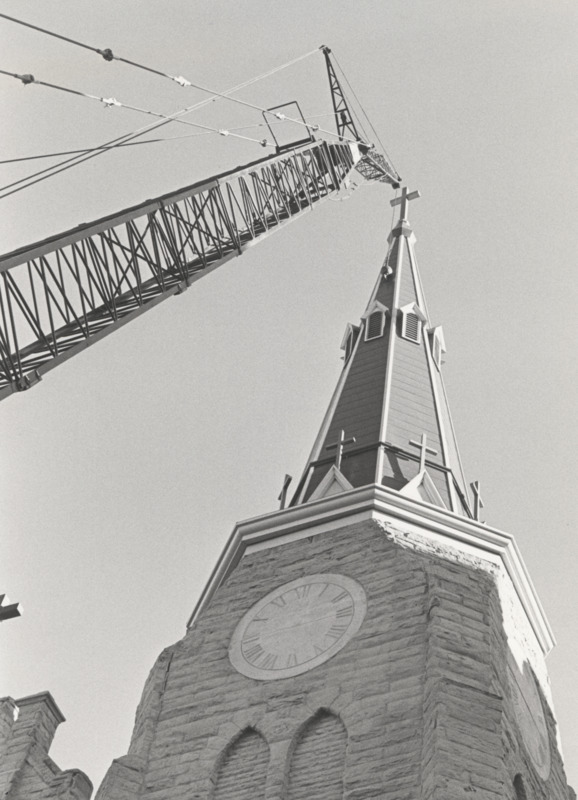
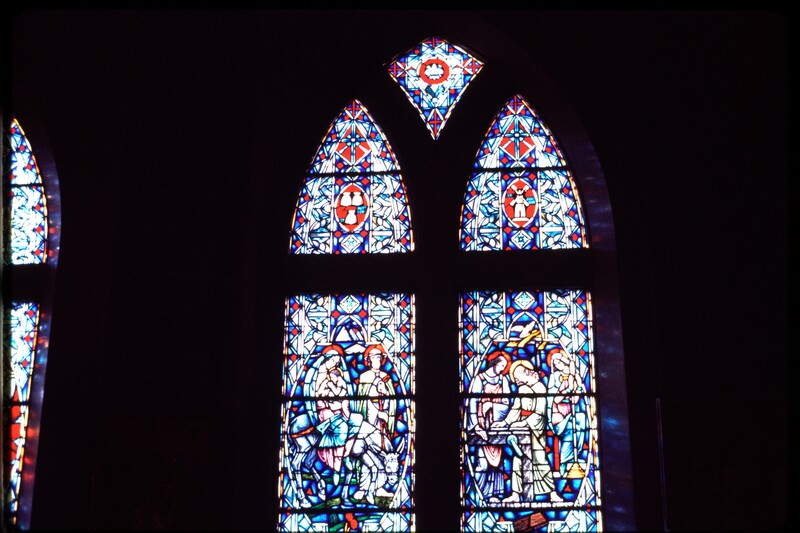
Since then, St. John’s has undergone several changes. In 1922, the first big addition was made to the church. The communion rail was updated and six side altars were installed. In 1946, work began on installing stained glass windows along the sides of the church. Work was completed in 1949. A new organ was installed in 1952. St. John’s interior was renovated several times in 1968, 1983, and 1989. However, the largest change during that period came in 1976 was the steeple was added to the right tower.
Several more changes were made from 2005 to 2007, creating the St. John’s Church we are accustomed to today.
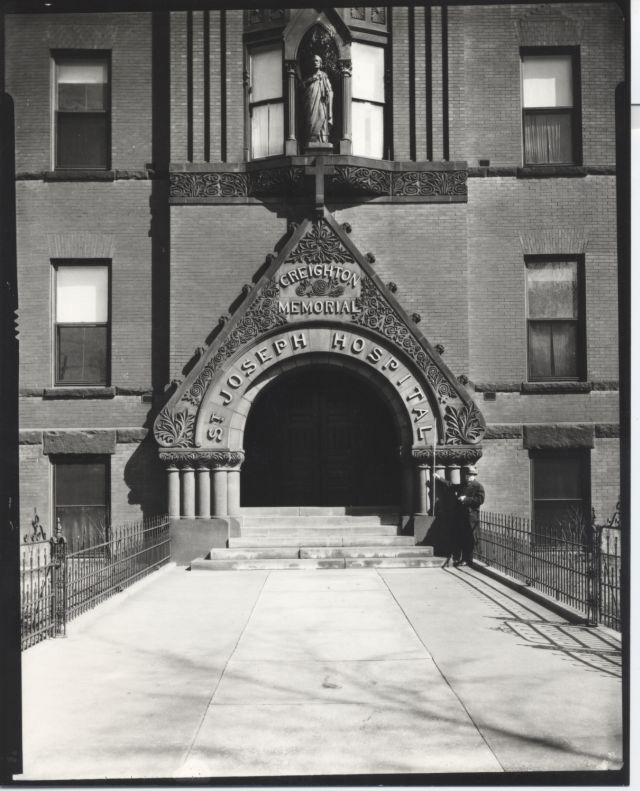
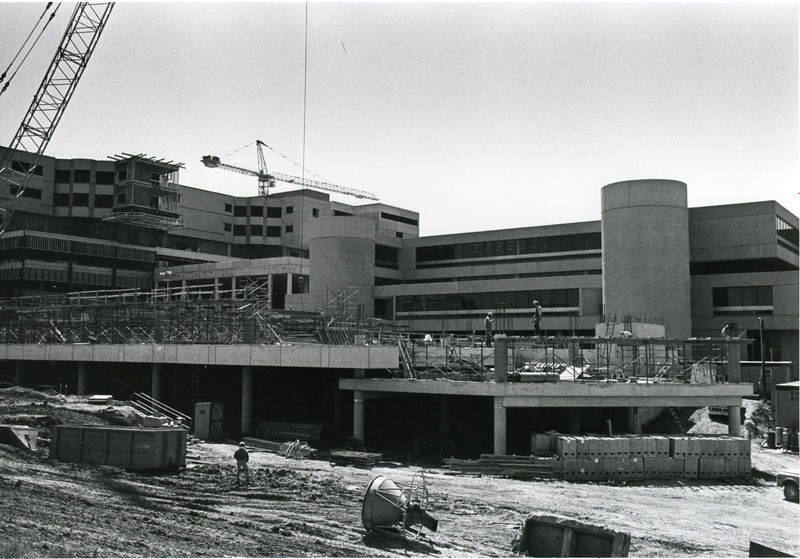
St. Joseph Hospital
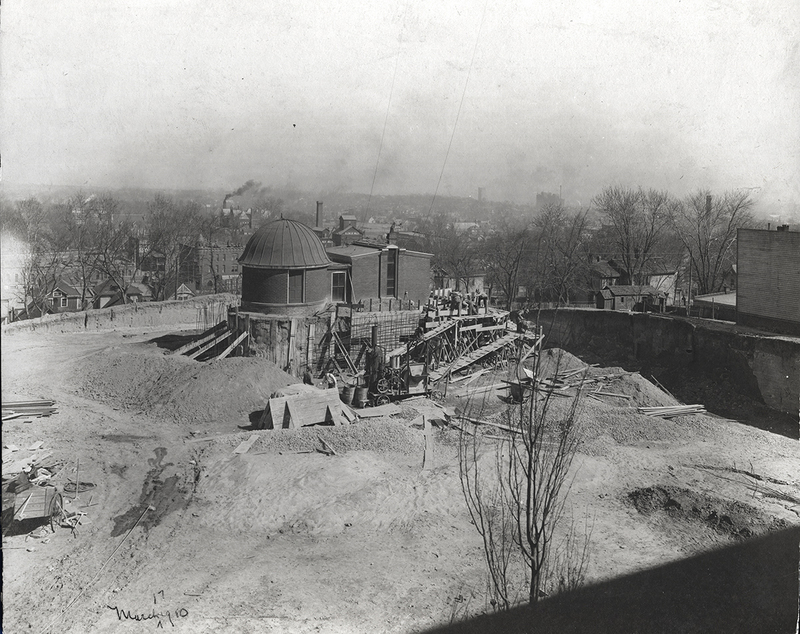
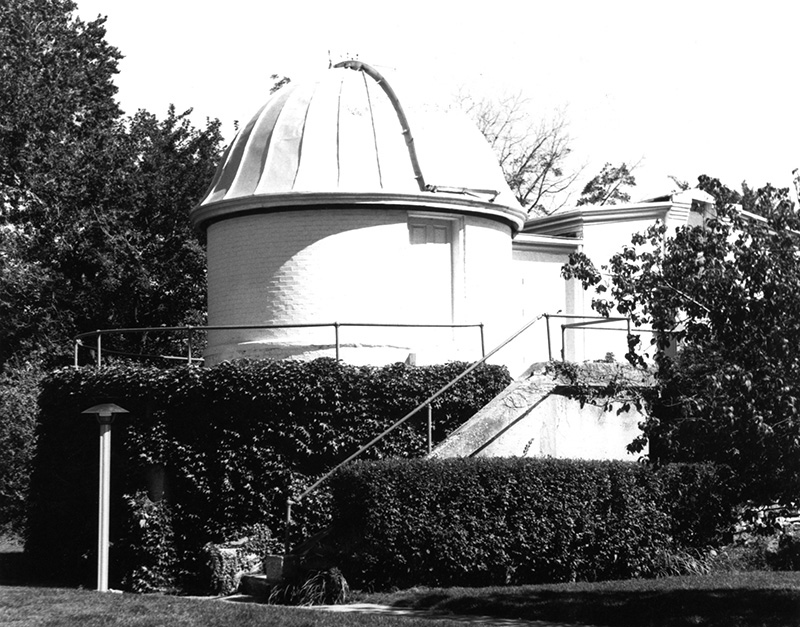
Creighton Observatory
Jesuit Gardens
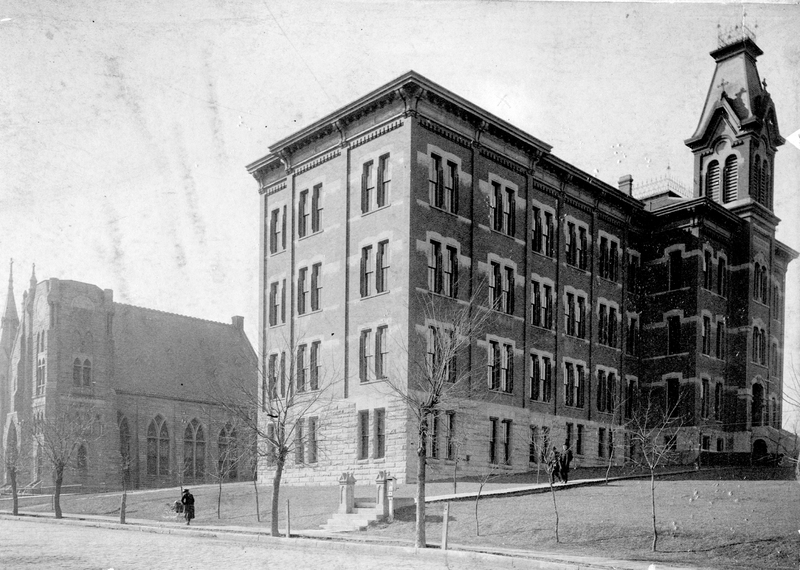
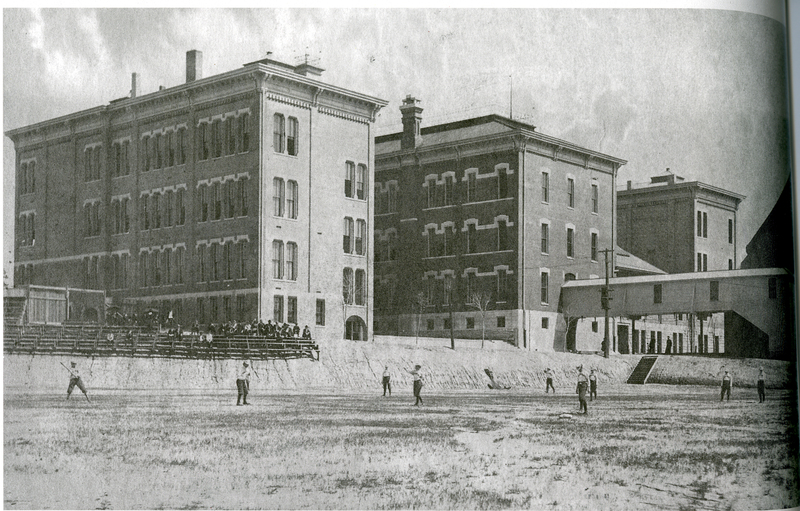
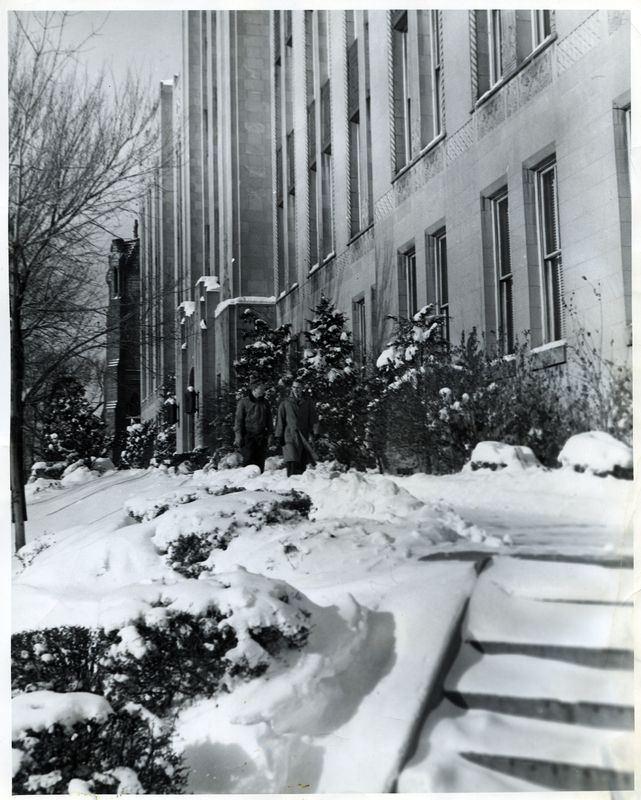
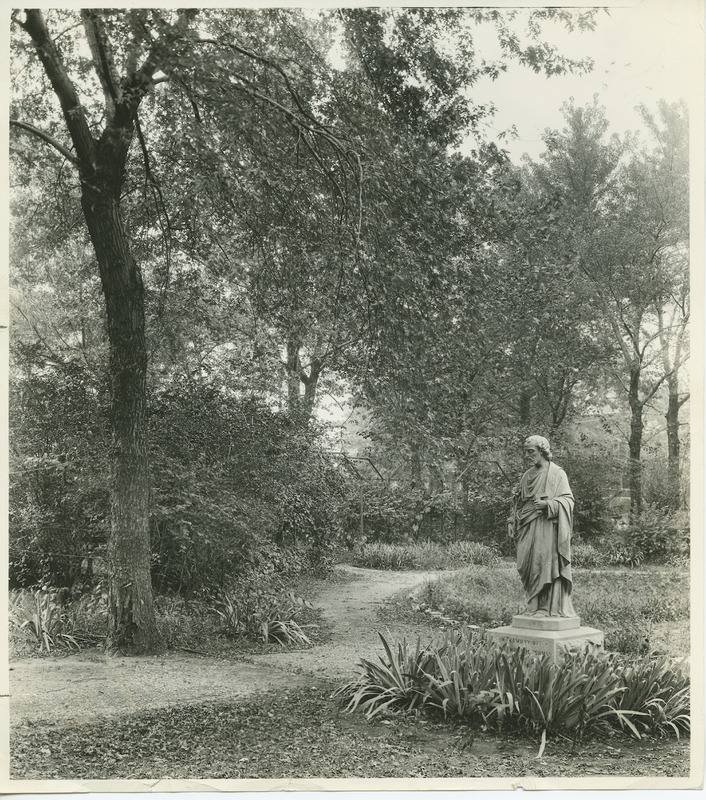
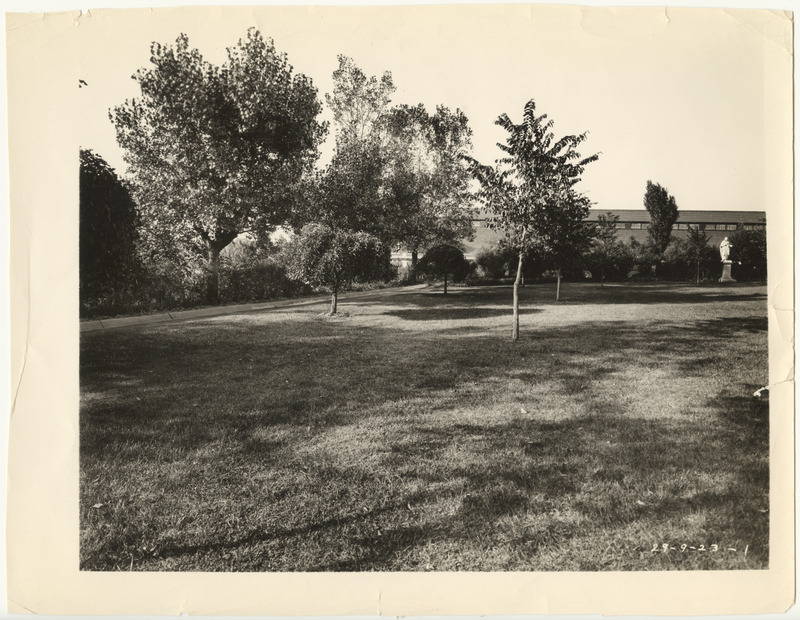
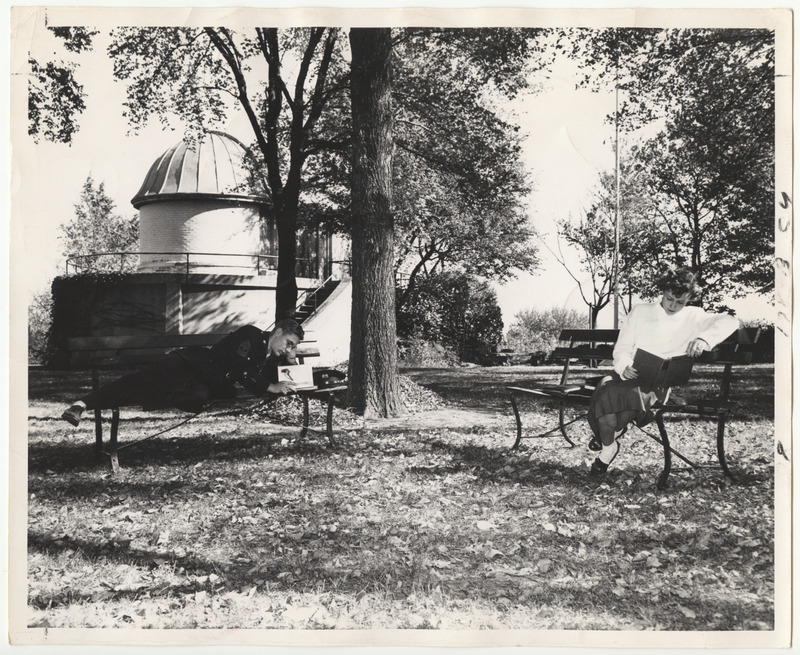
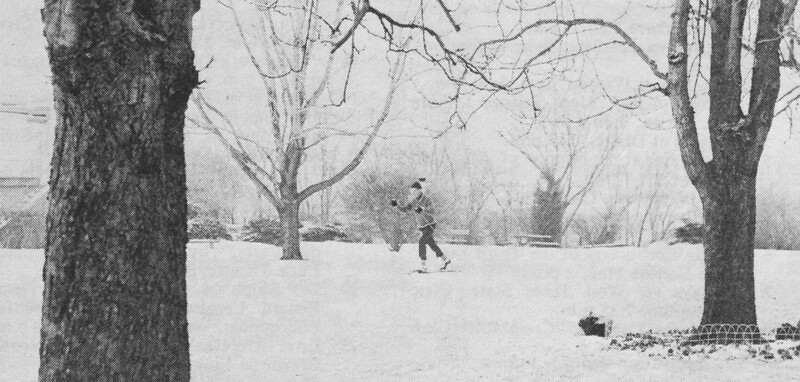
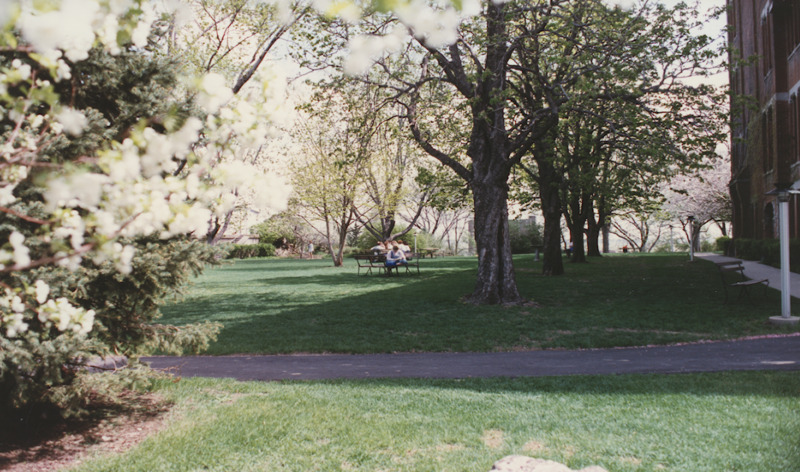
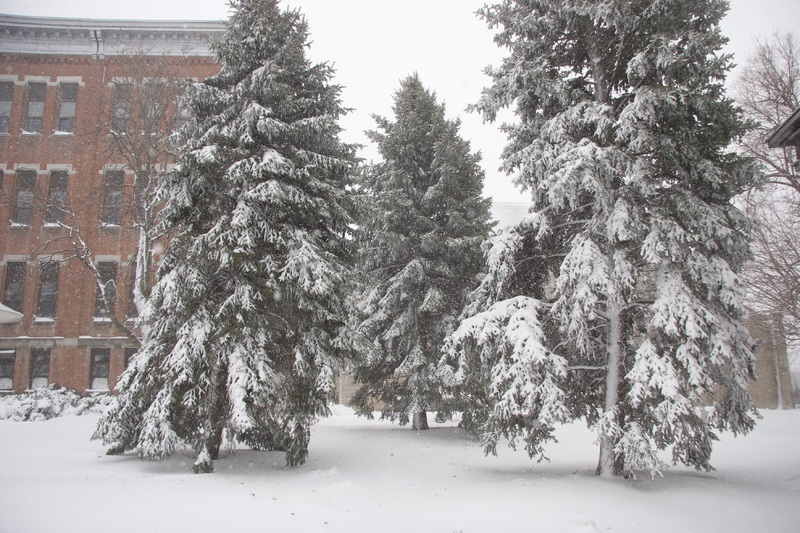
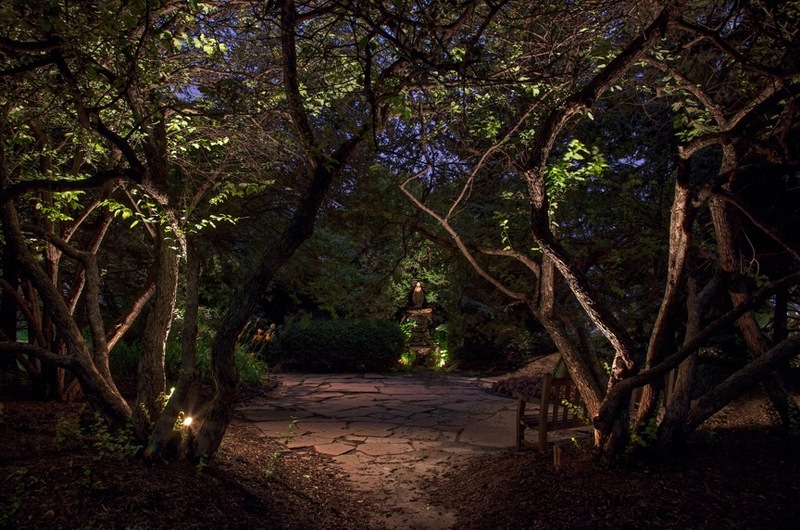
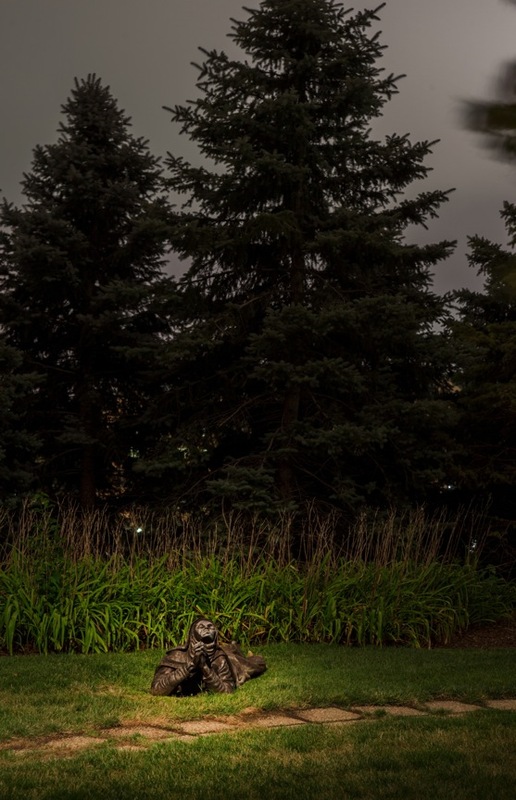
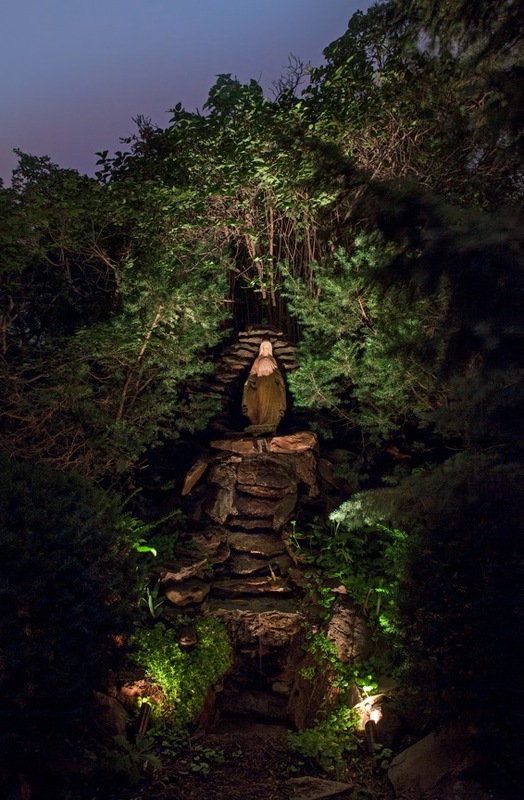
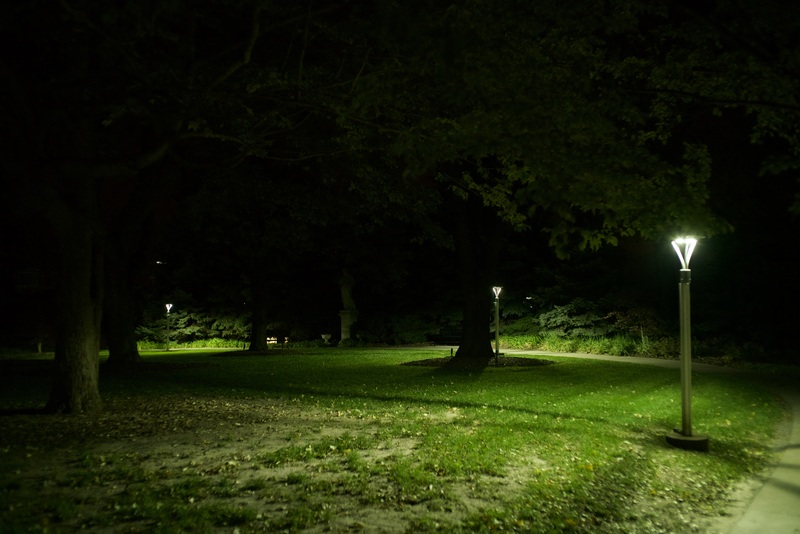
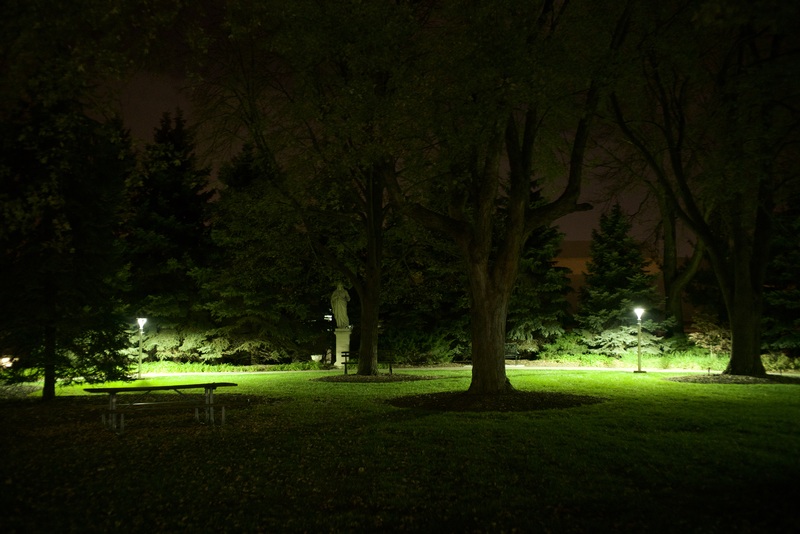
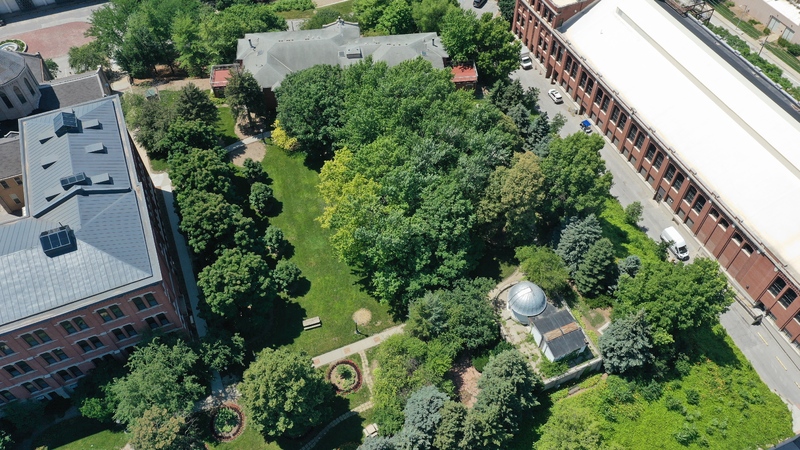
There is little written history about Jesuit Gardens, or as it was often referred to in the early years, the North Lawn. Using early maps of Creighton's campus drawn by Fr. Rigge, a rough date of 1907 can be gleaned as the beginning of the North Lawn as a garden. Pre-1907, the area of land north of the Main Building was used as athletic fields. In 1907, we see the first drawings of pathways through the North Lawn, denoting some sort of nature walk or garden.
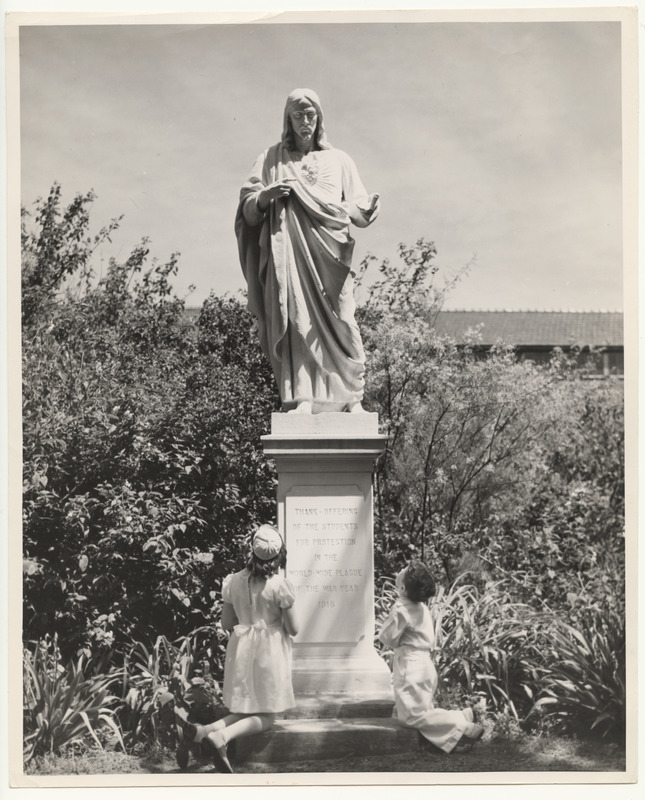
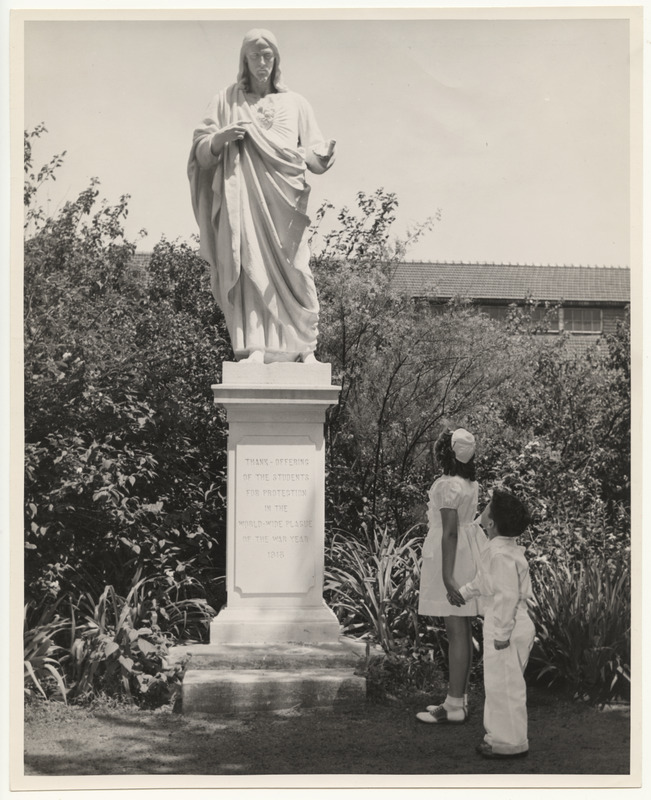
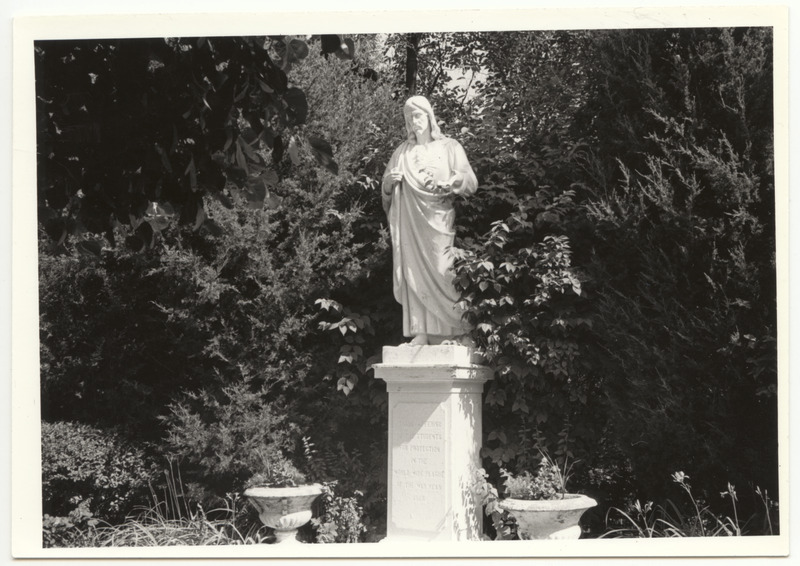
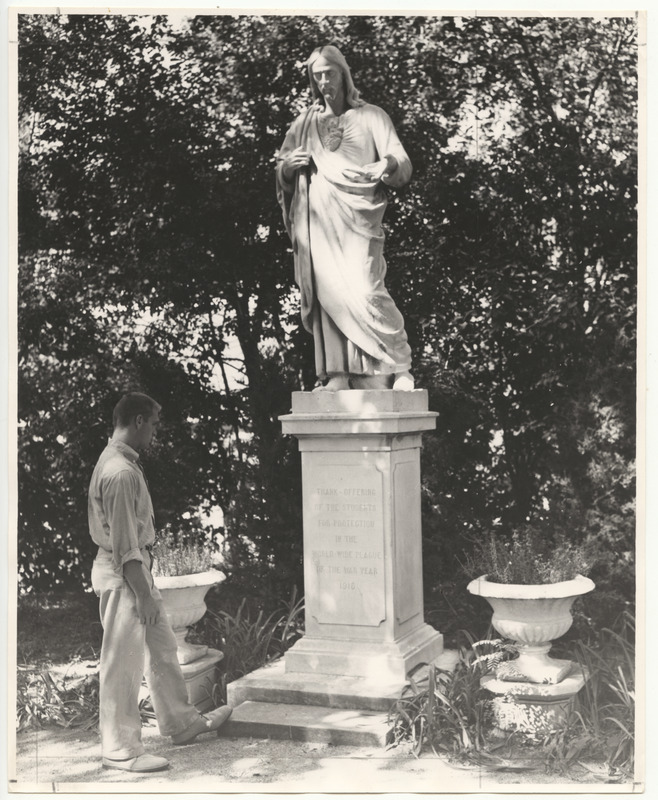
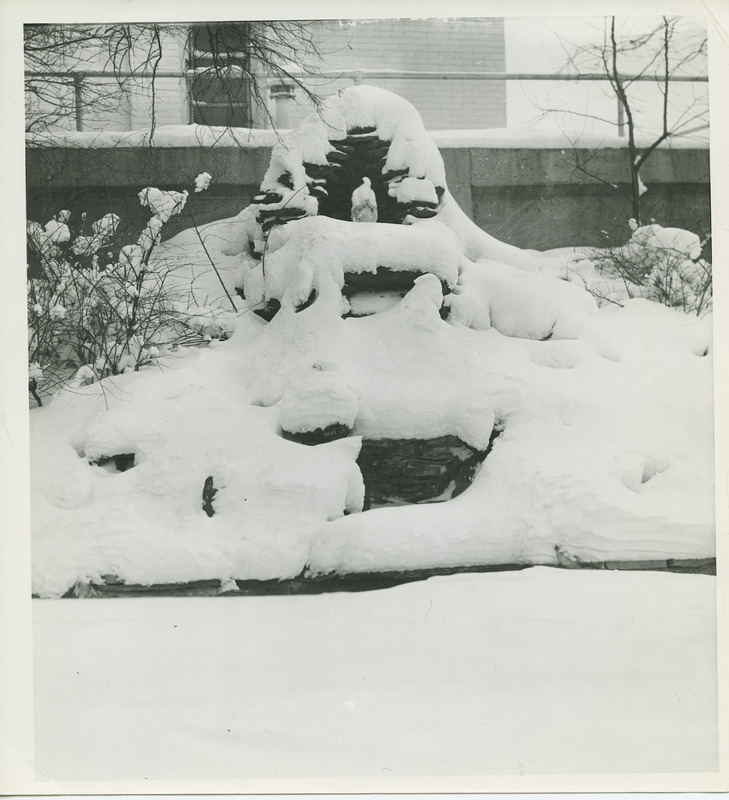
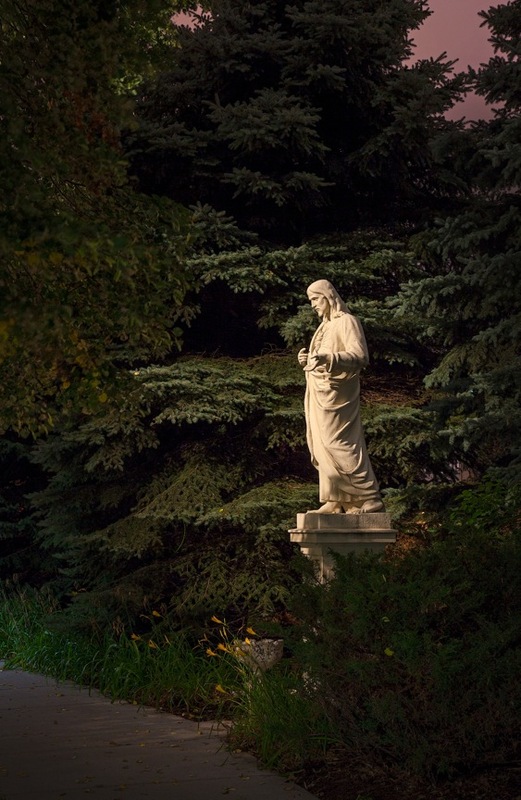
We know at least by the 1920's the area north of Creighton Hall had transformed into the Jesuit Gardens because that is when one of the most famous landmarks of the gardens was installed, the Statue of the Sacred Heart of Jesus. In 1918, the world faced a global pandemic, the Spanish Flu. Nearly 1,000 Omahans and over 50 million people worldwide were lost during the Spanish Flu. However, no Creighton student perished during the pandemic. So, on June 3, 1921, Creighton dedicated the Sacred Heart Statue as a thank-offering for protecting students from 1918 to 1919.
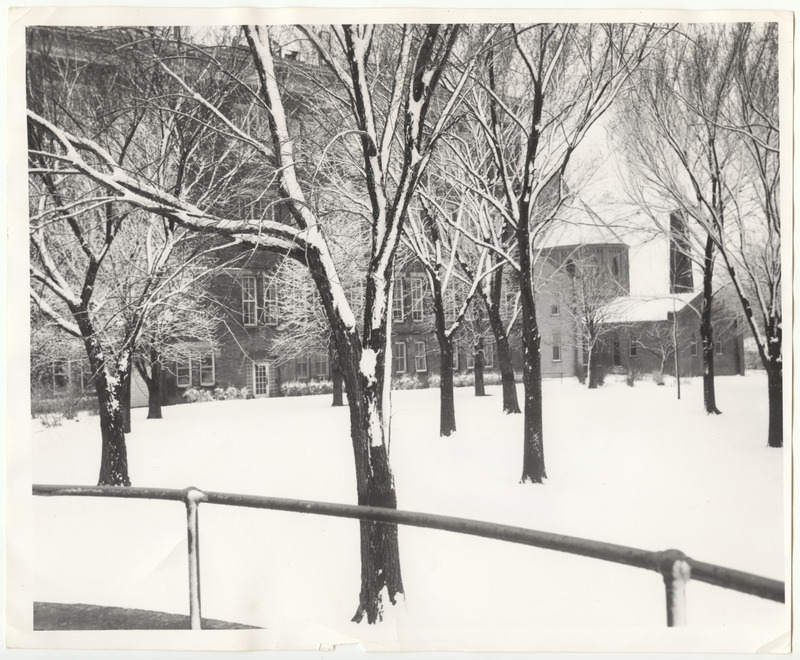
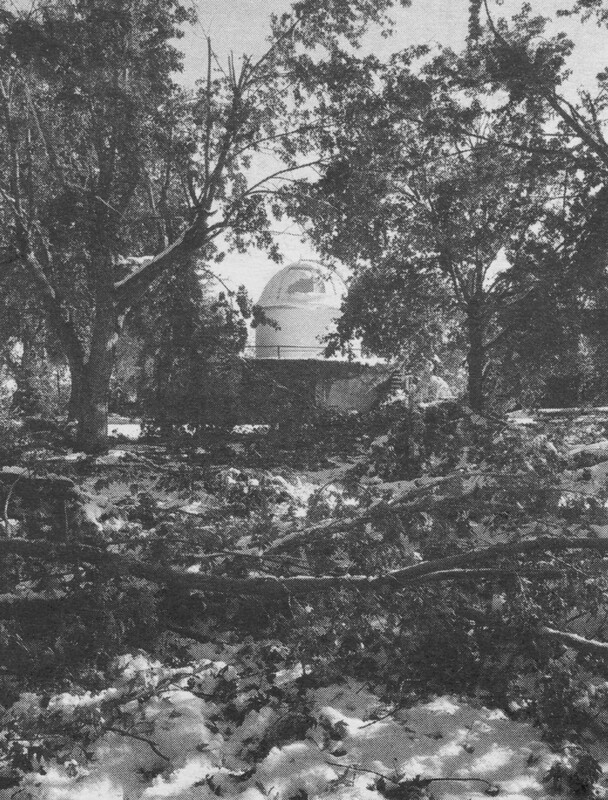
The Jesuit Gardens have remained largely untouched. However, there have been a couple of incidents impacting the vegetation in the gardens. In the 1960's a disease affecting Elm trees went through campus leading to the removal of several trees in the gardens. Then, just as the shade was beginning to return to the gardens, a snowstorm hit campus on October 26, 1997. A combination of high winds and snow damaged much of the Jesuit Gardens.
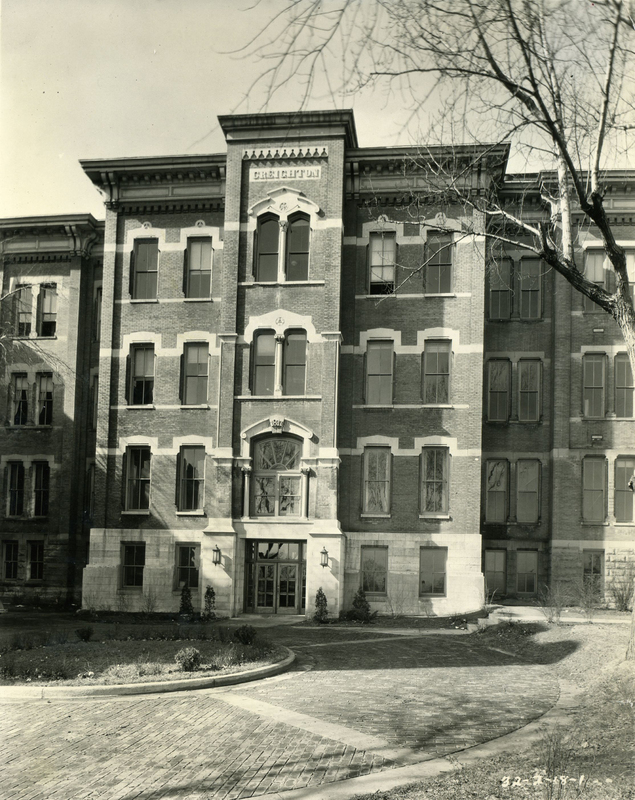
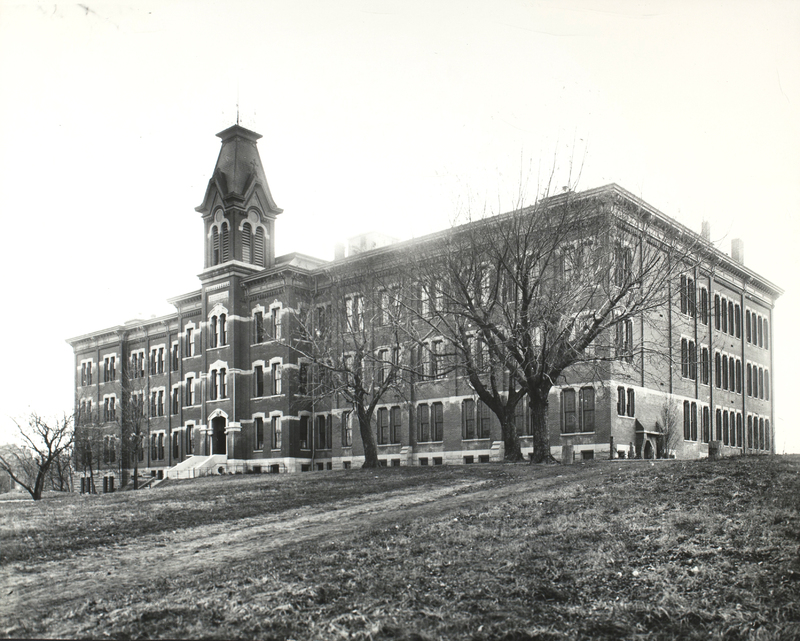
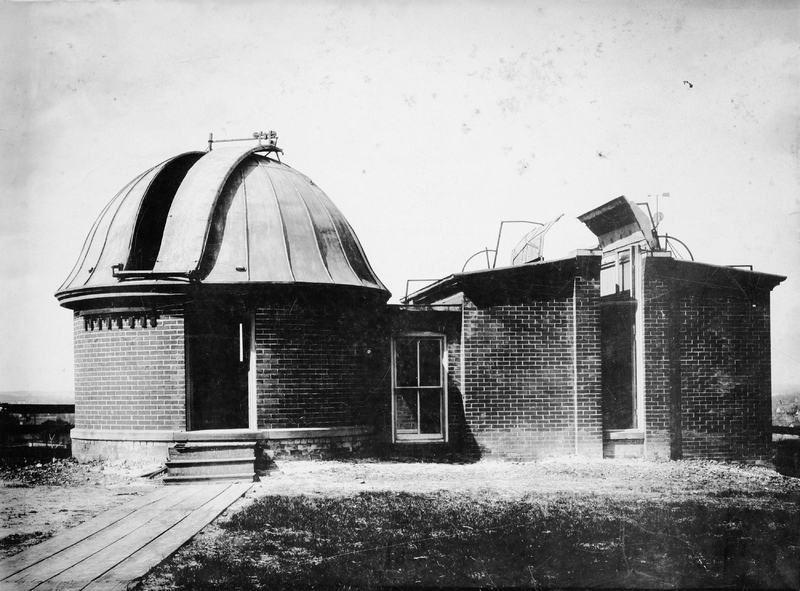
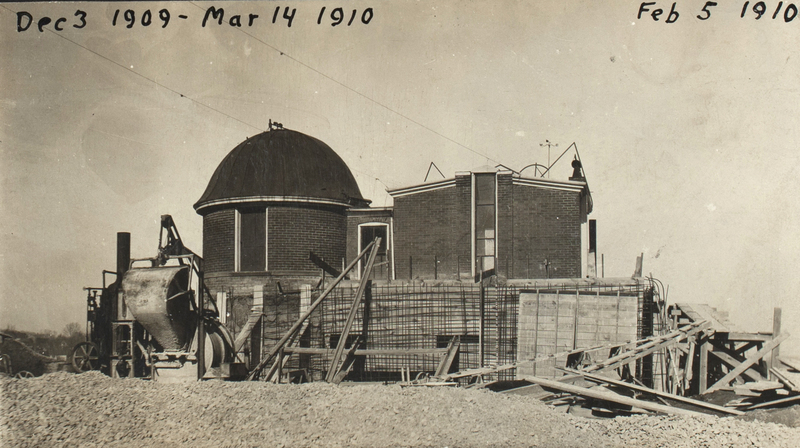
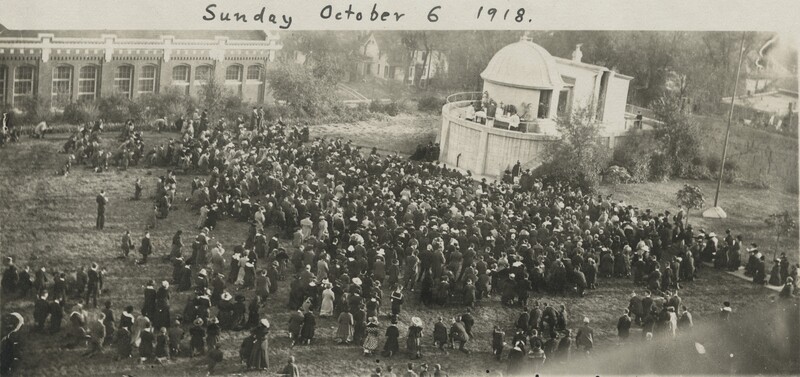
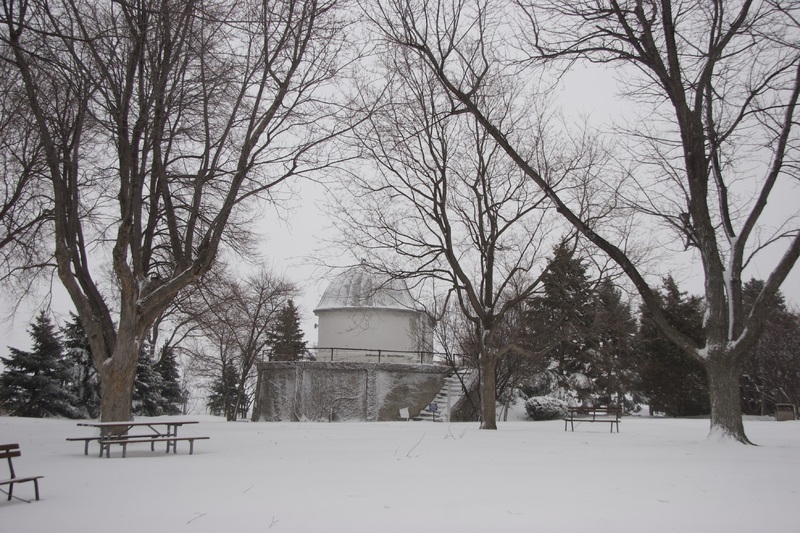
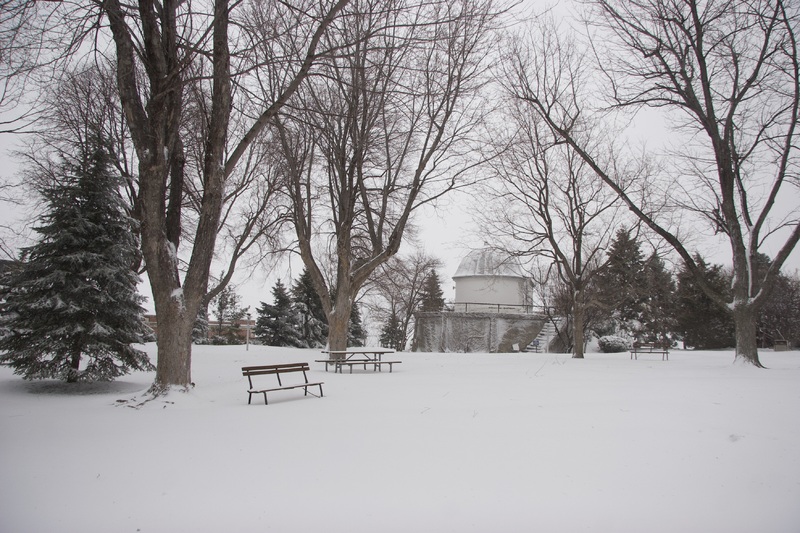
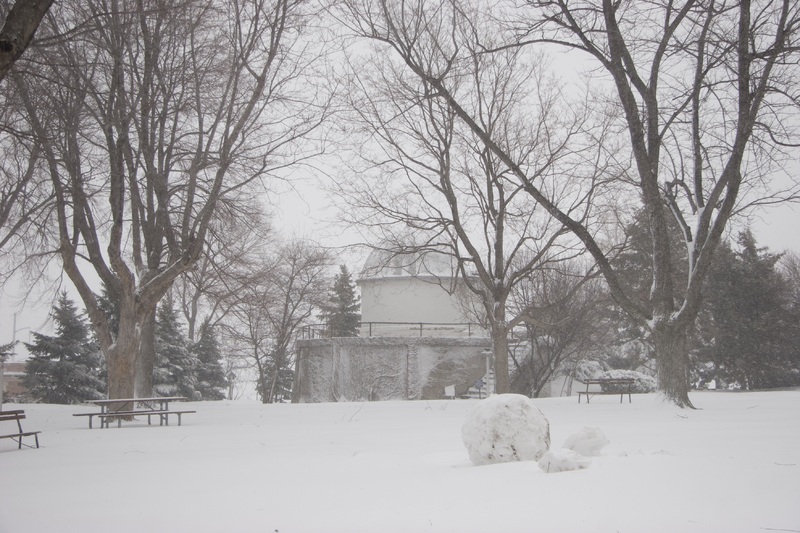
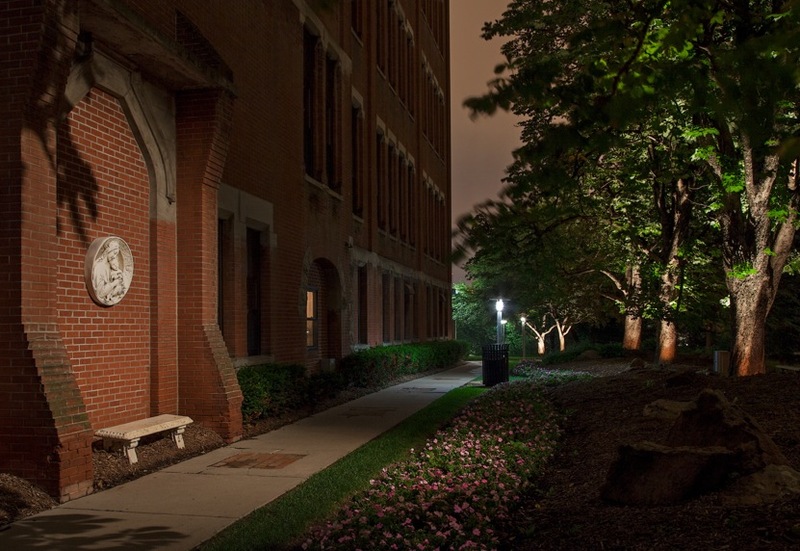
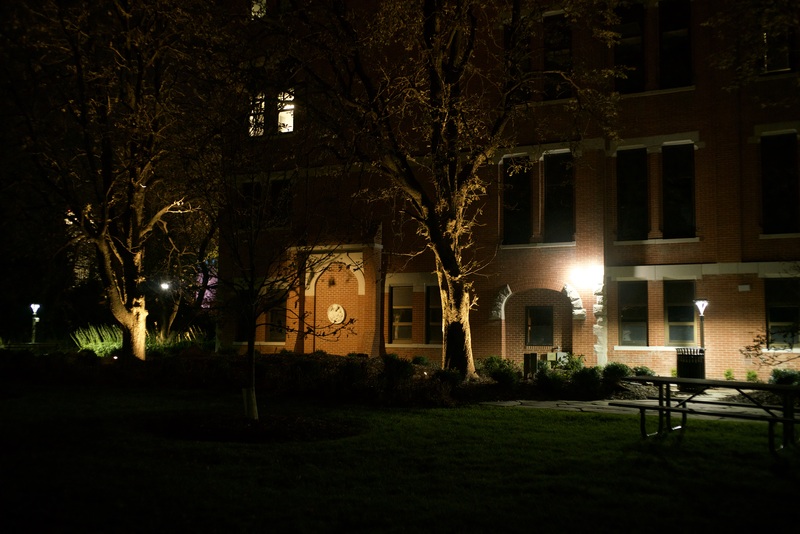
The borders of the Jesuit Gardens have seen buildings come and go. The mainstay has been Creighton Hall, always forming the south border of the gardens. In 1915, the Gymnasium was built just to the north of the gardens. In 1988, Ignatius House, a community for the Creighton Jesuits, was built. It only cut into the west end of the Jesuit Gardens by 25 feet. In 2023, the gardens saw its biggest change. Ignatius House and the Observatory were both torn down, making room for the new Jesuit residence which opened in 2024 along the East boarder of the Jesuit Gardens.
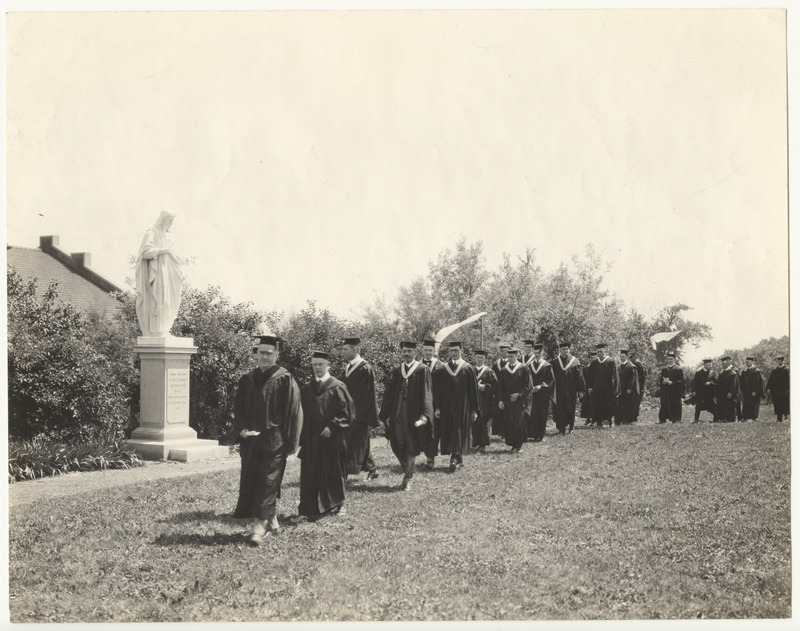
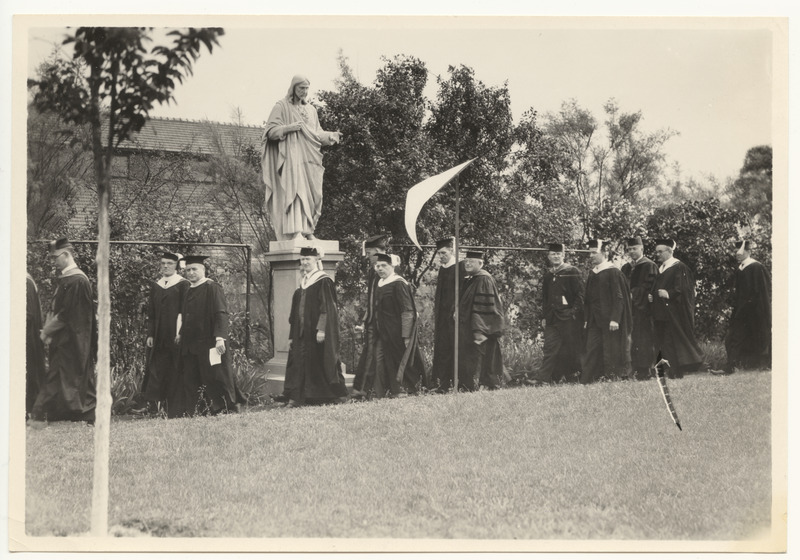
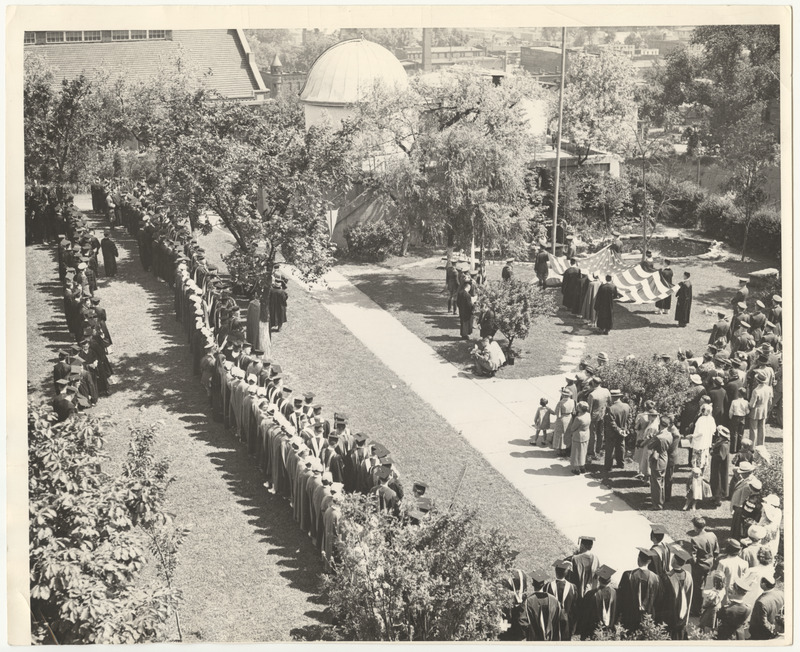
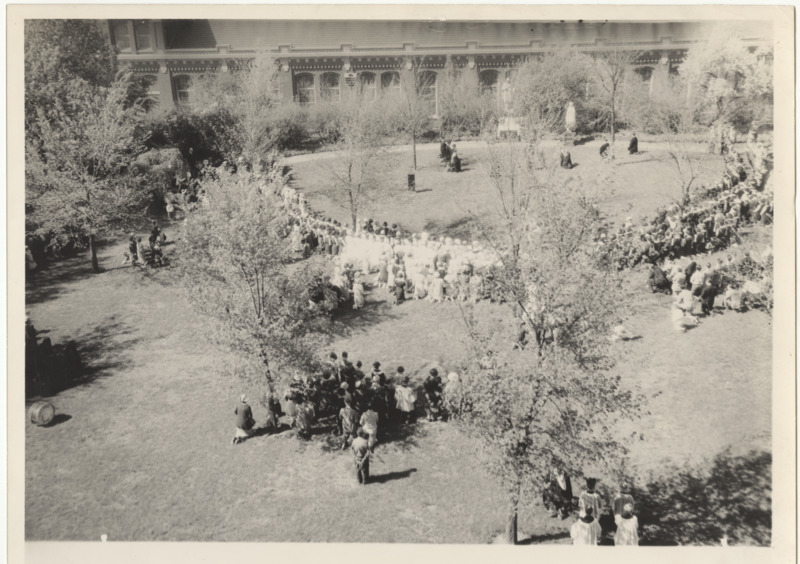
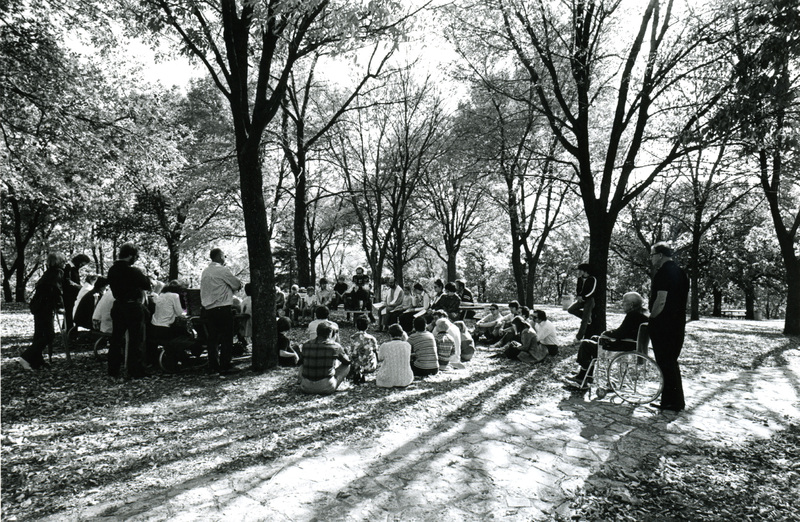
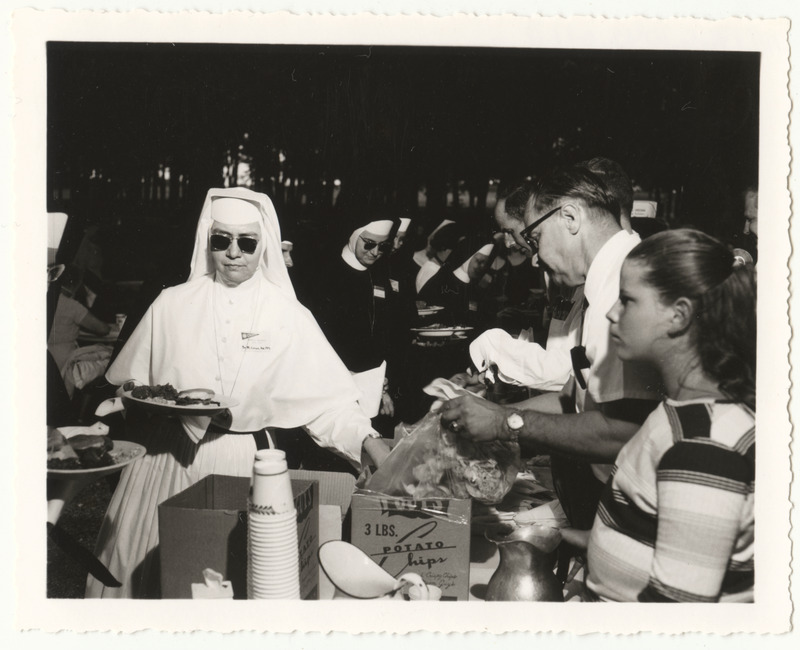
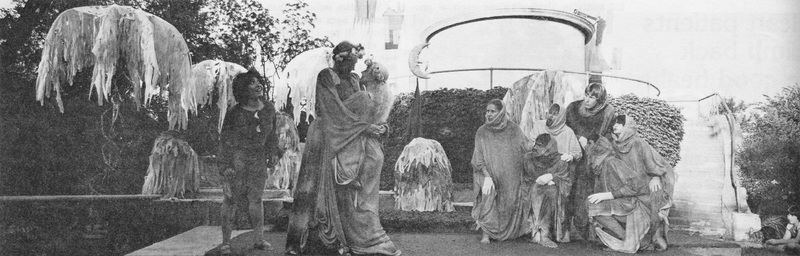
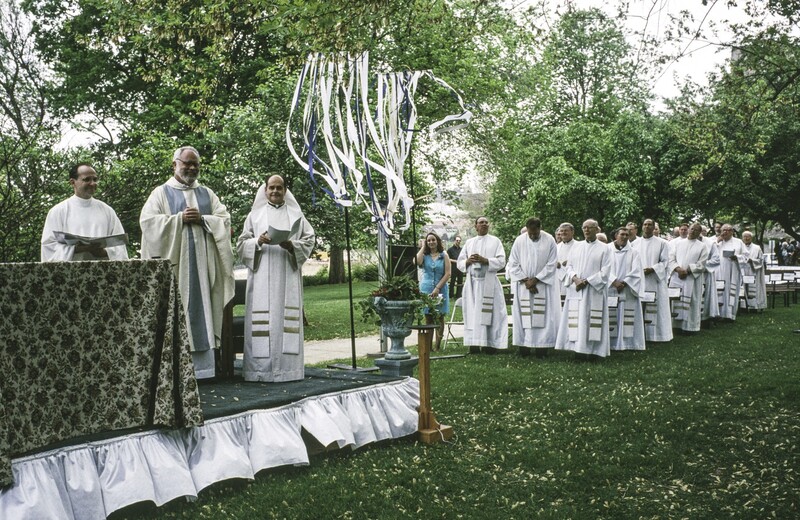
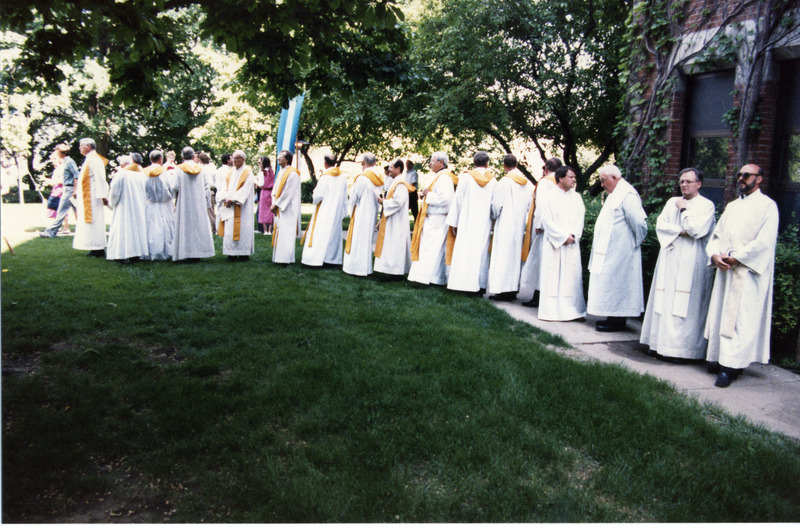
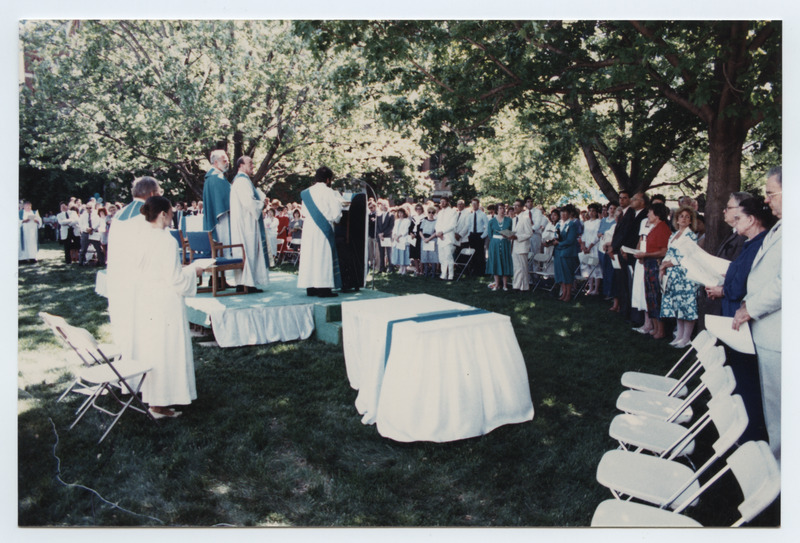
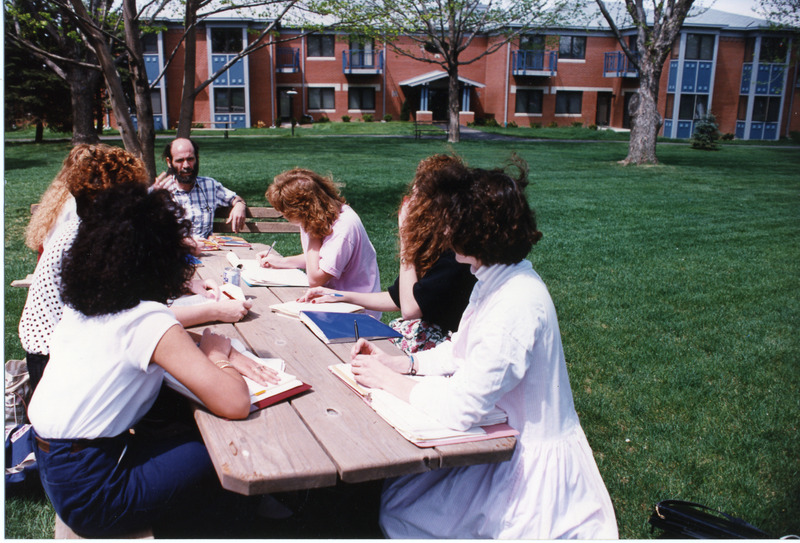
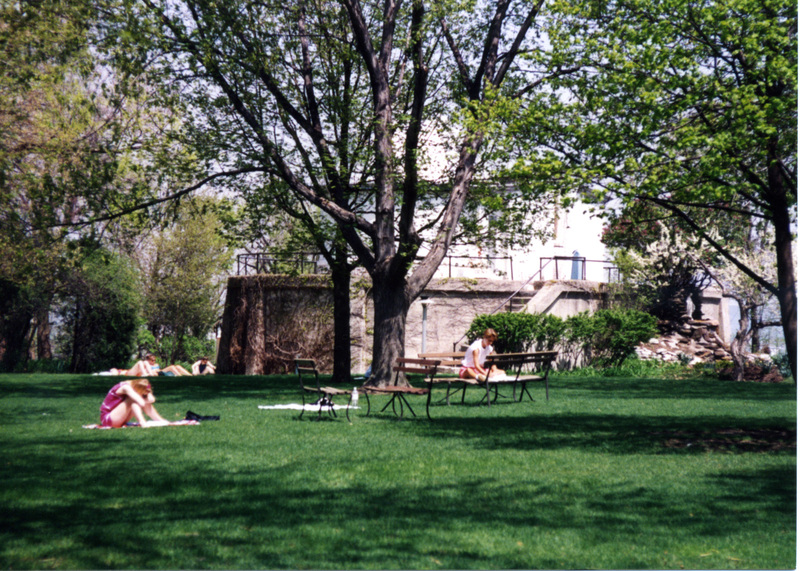
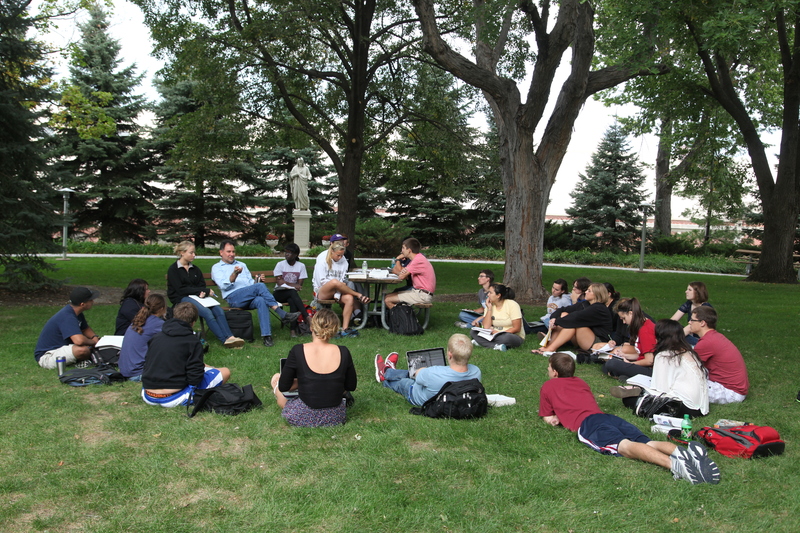
The Jesuit Gardens have served many purposes for the Creighton community. It has been home to picnics, masses, commencements, even the occasional easter egg hunt or theatre performance. Professors have utilized the space as an outdoor classroom and students often take to studying there during the cooler spring/fall days on campus. However, the Jesuit Gardens have most often served as a quiet spot on campus for prayer and reflection.
Creighton Stadium
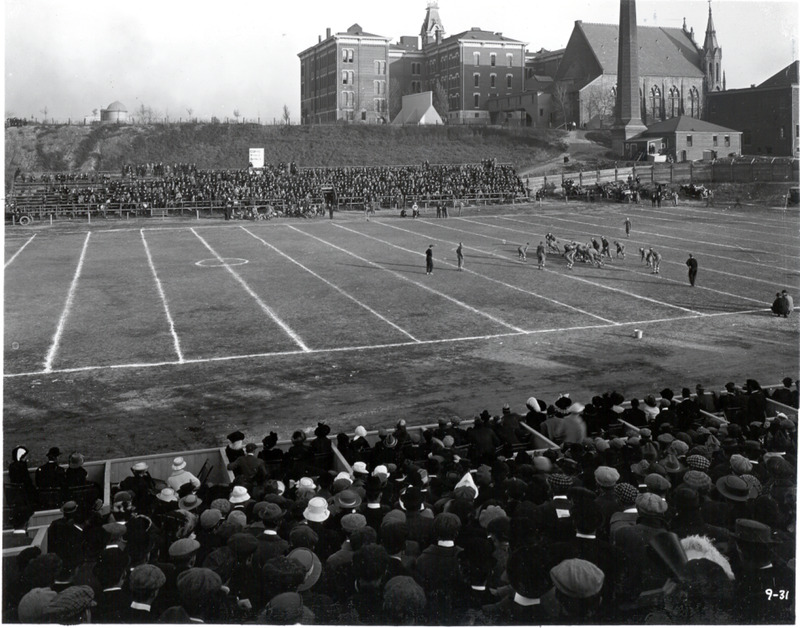
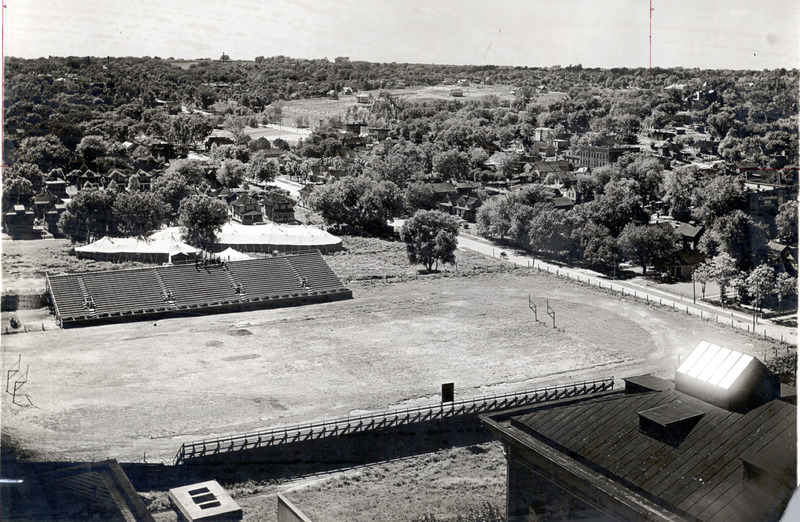
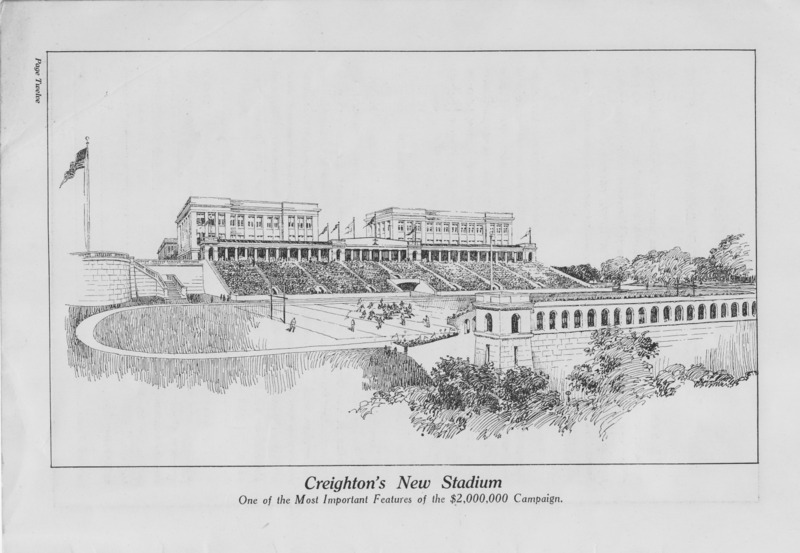
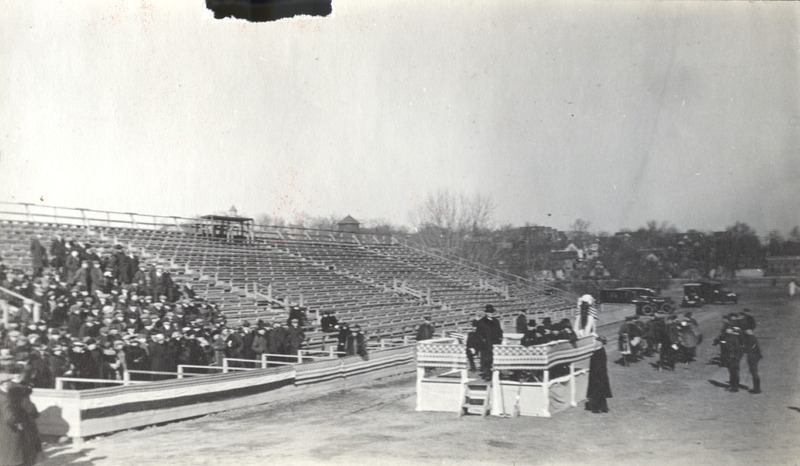
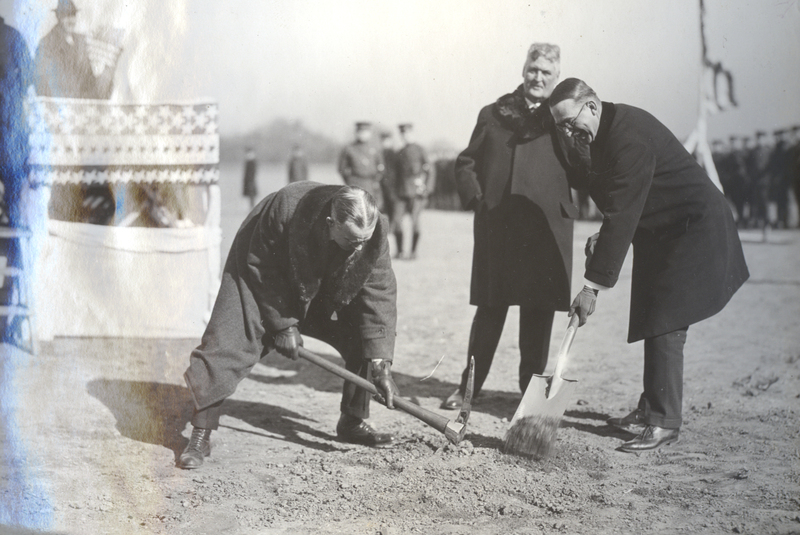
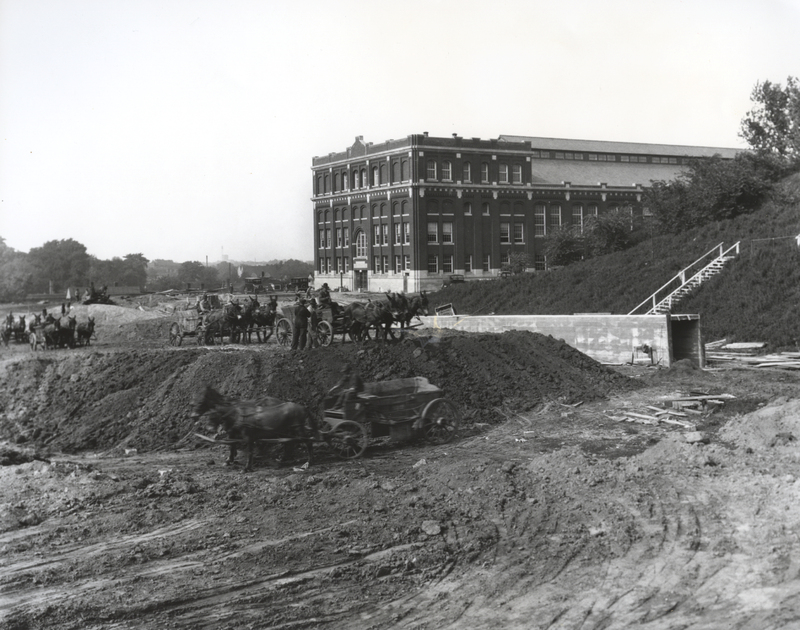
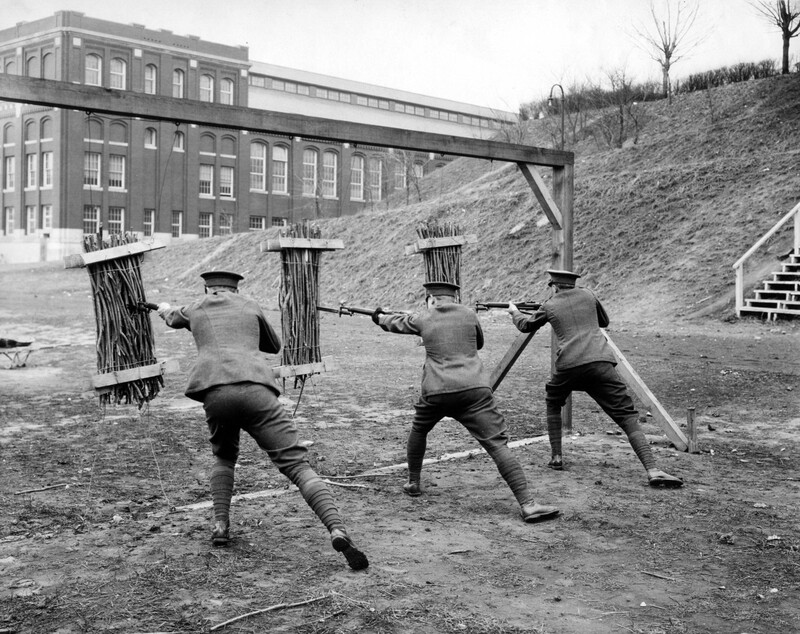
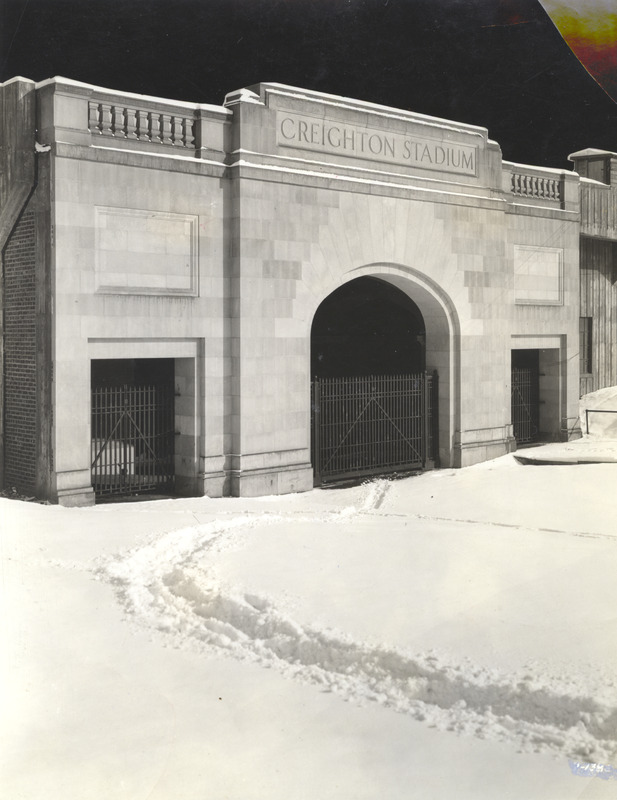
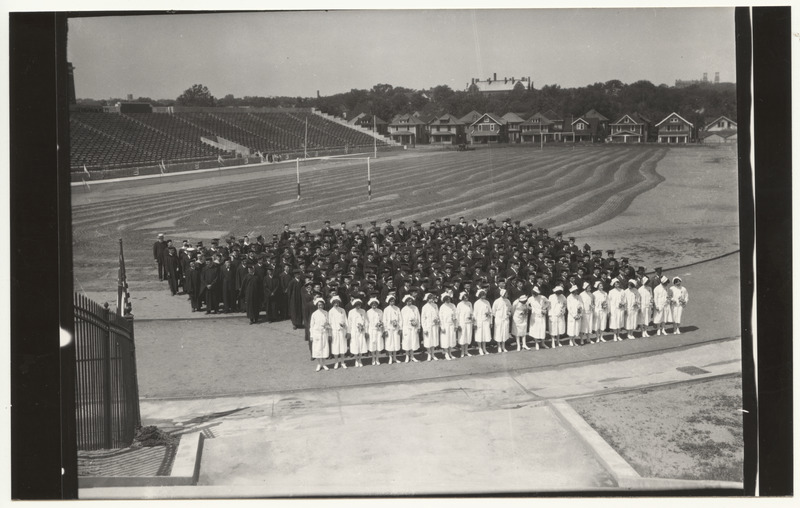
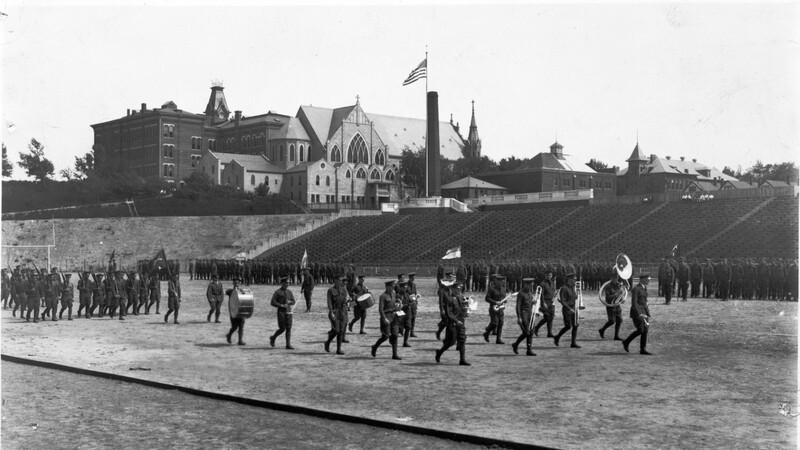
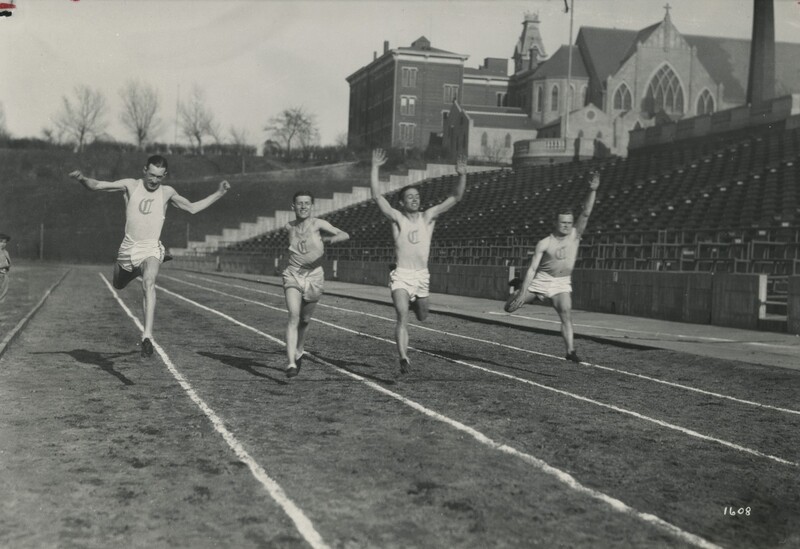
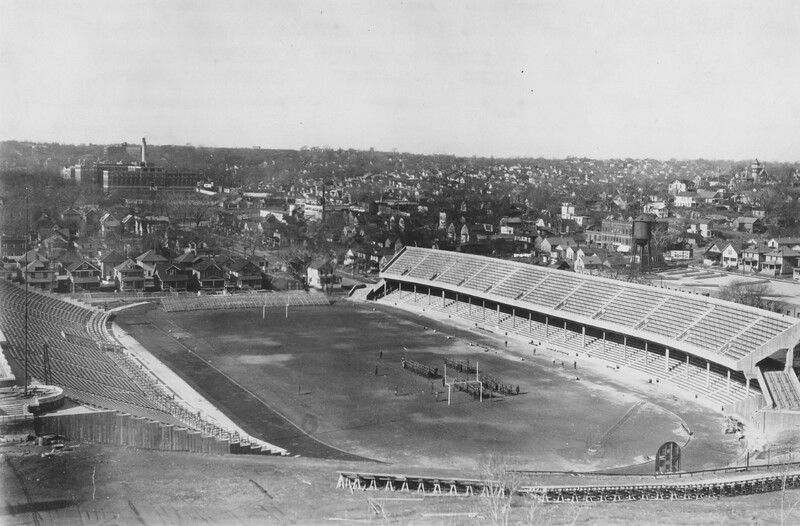
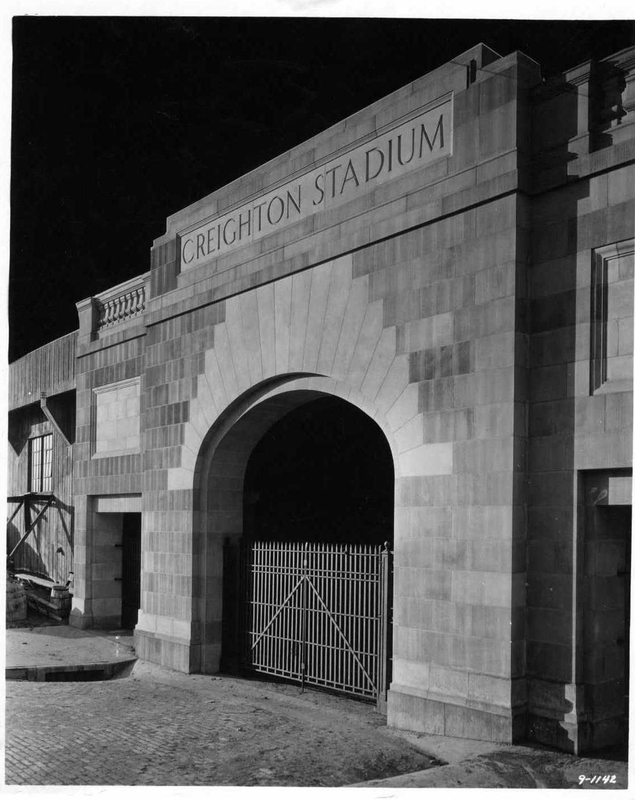
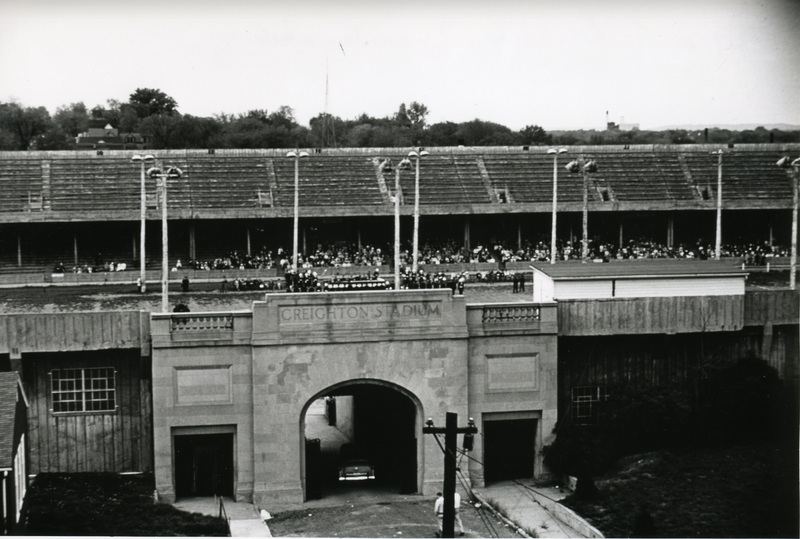
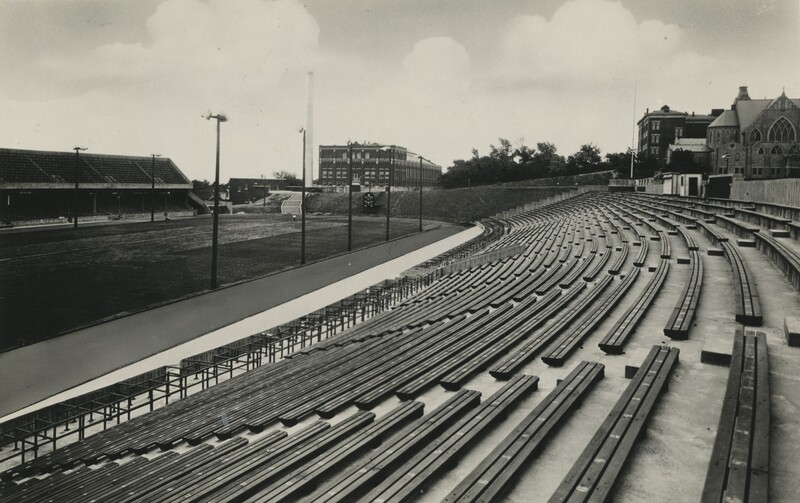
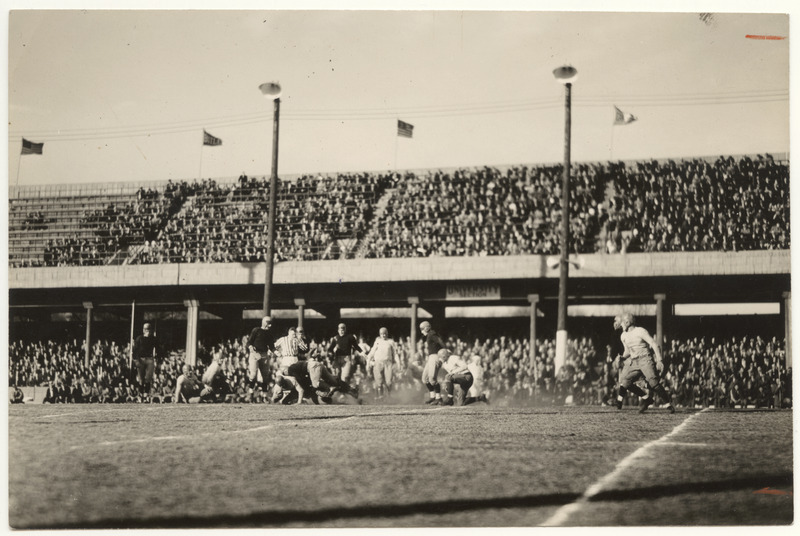
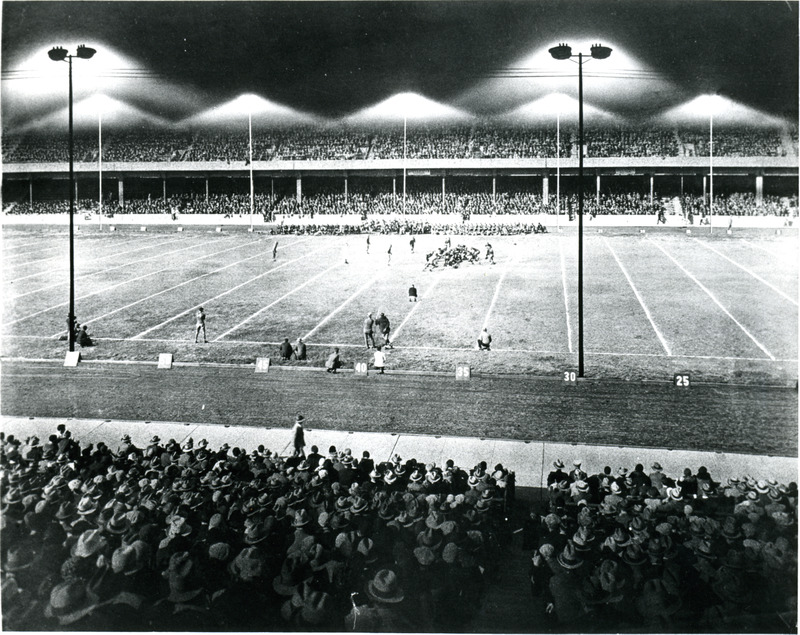
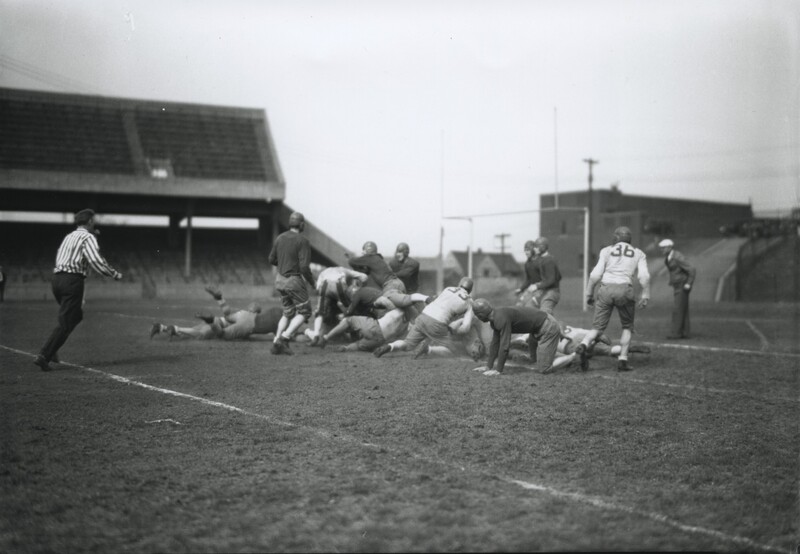
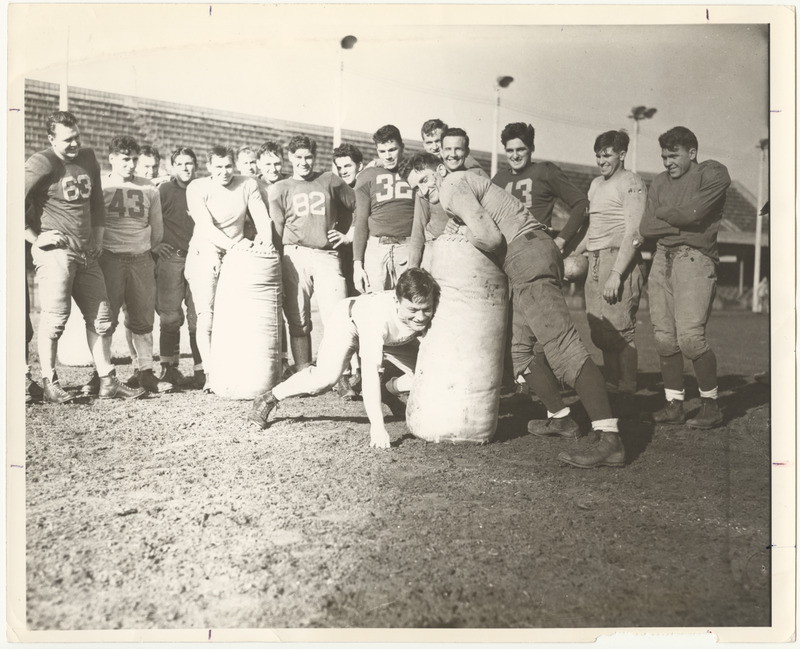
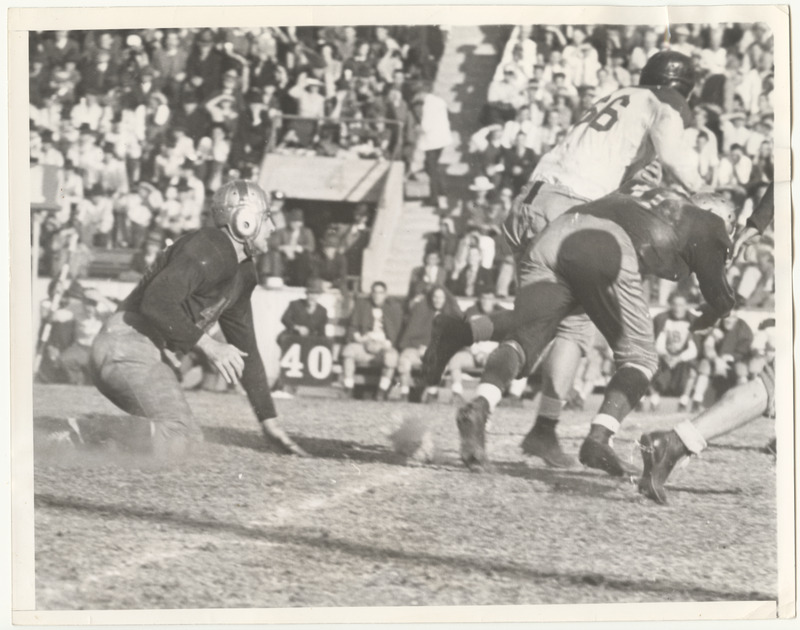
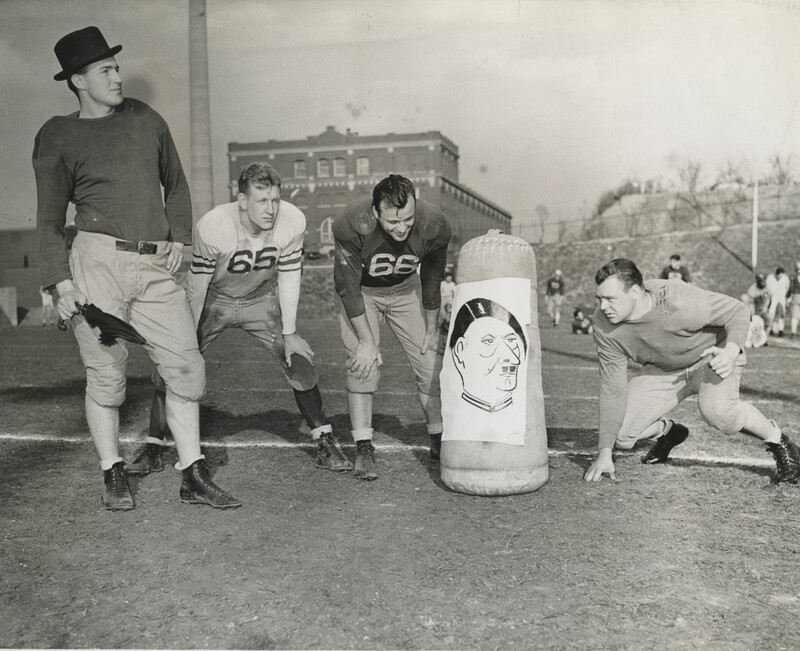
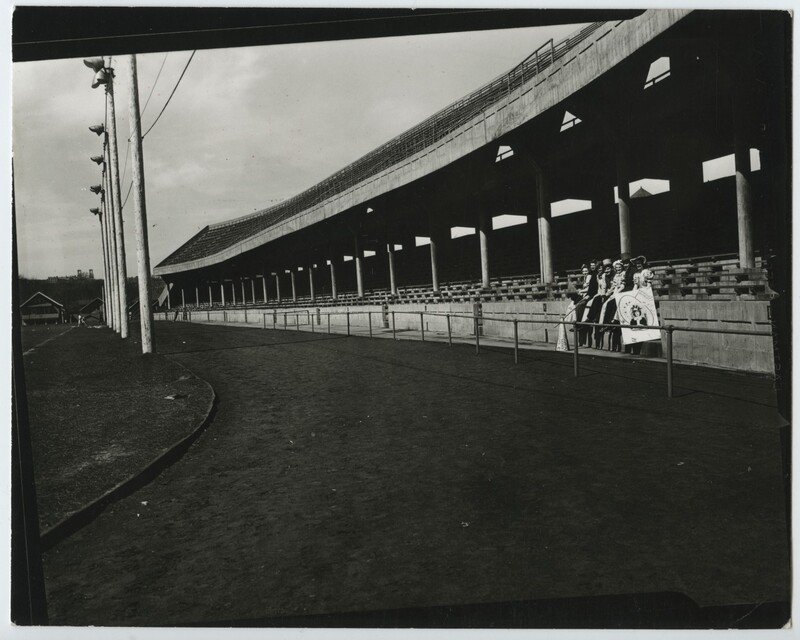
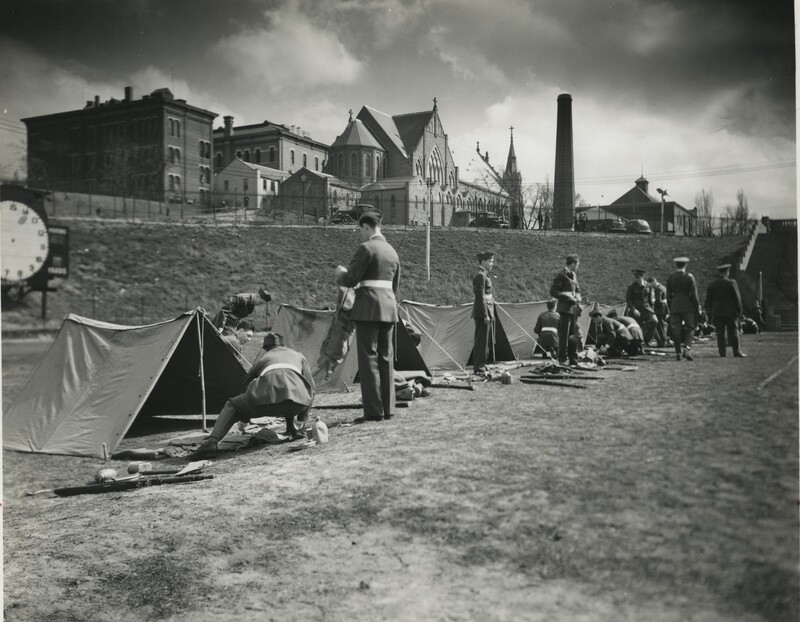
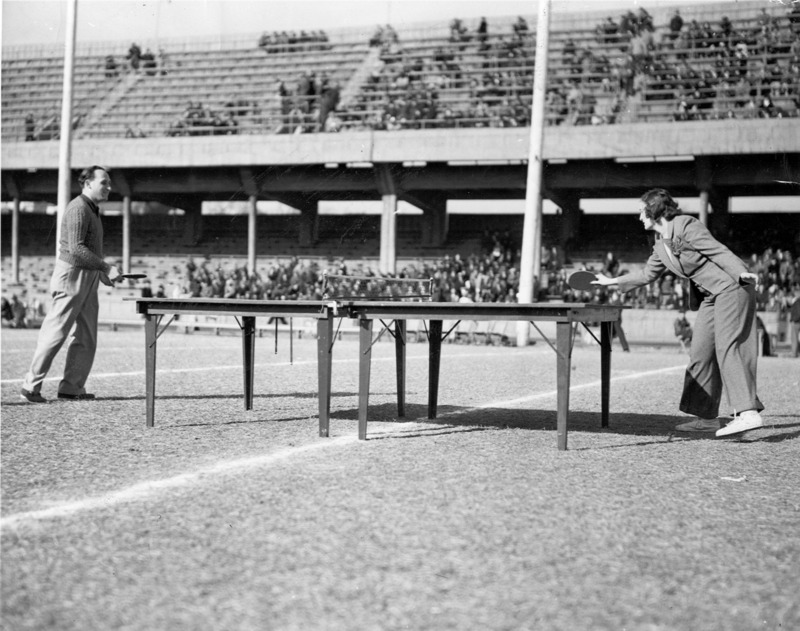
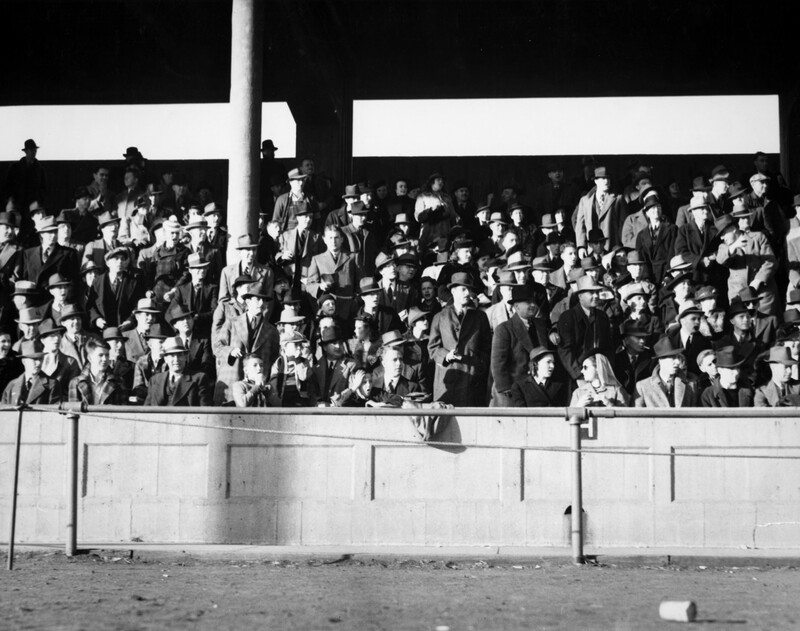
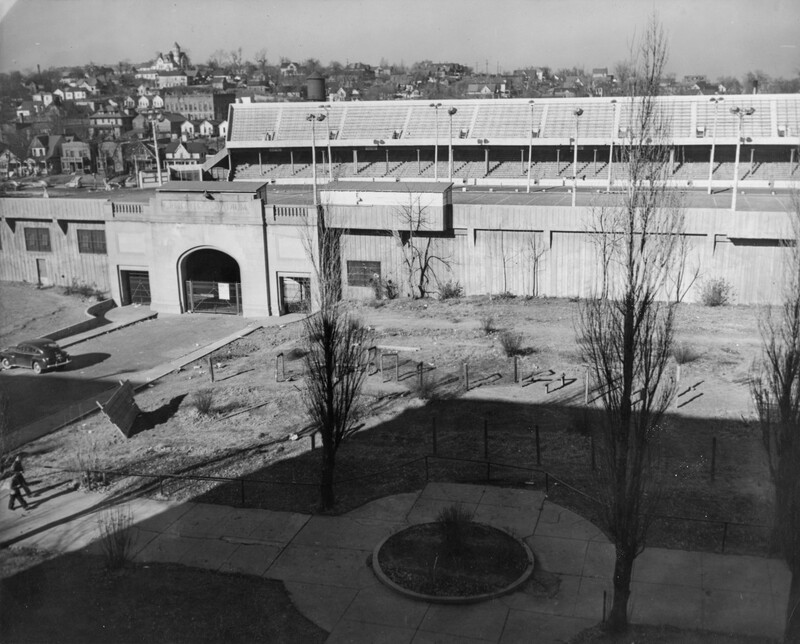
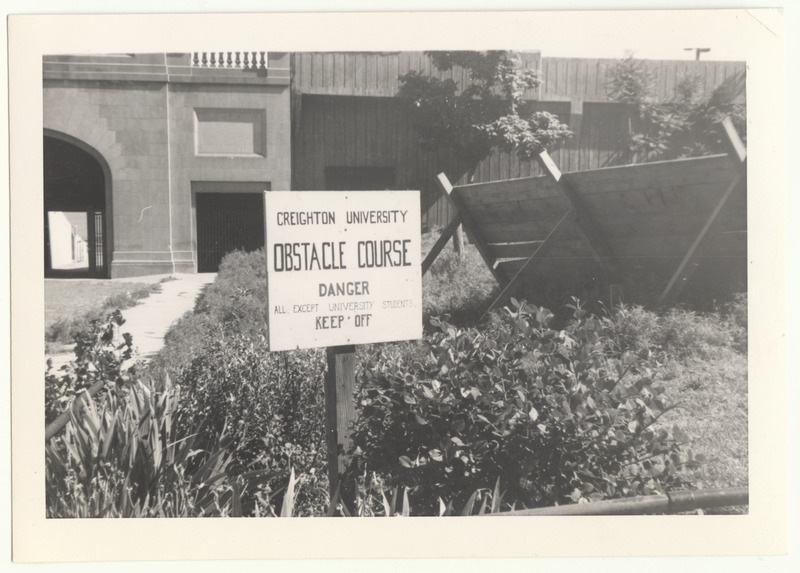
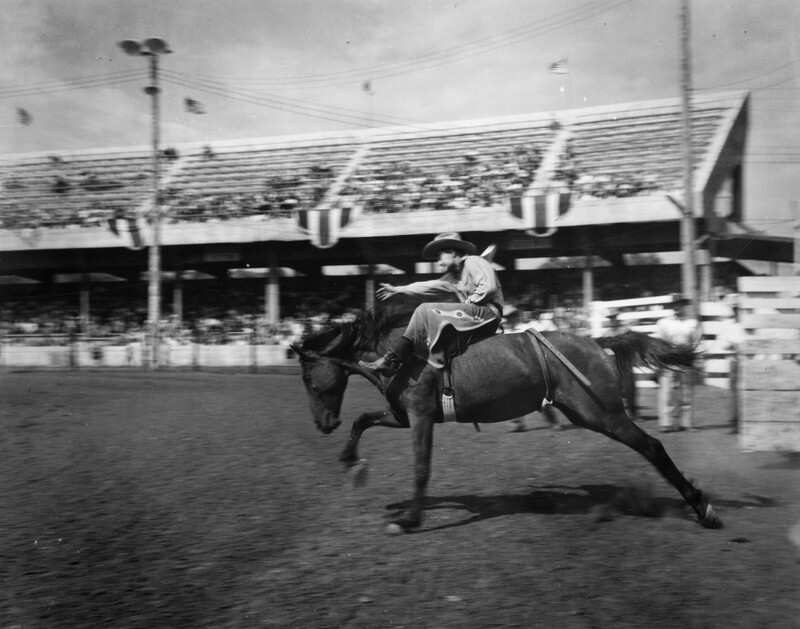
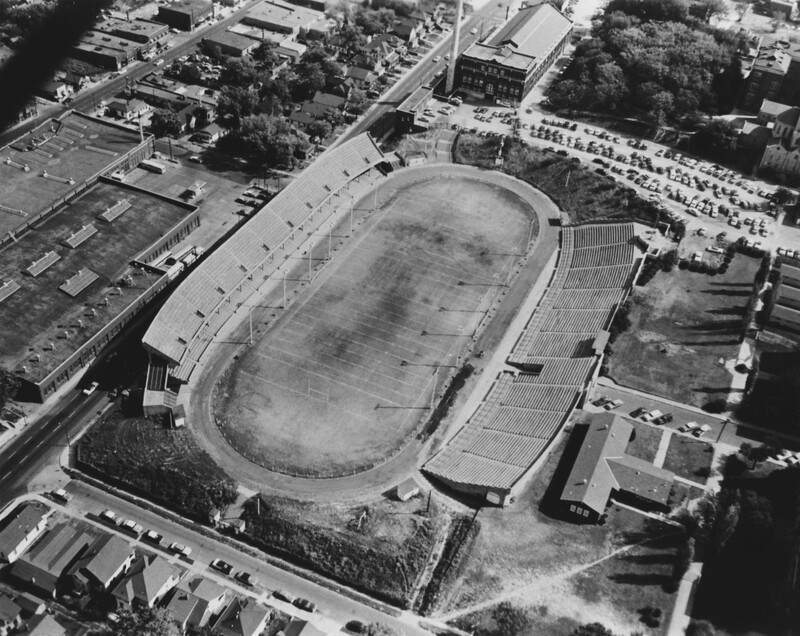
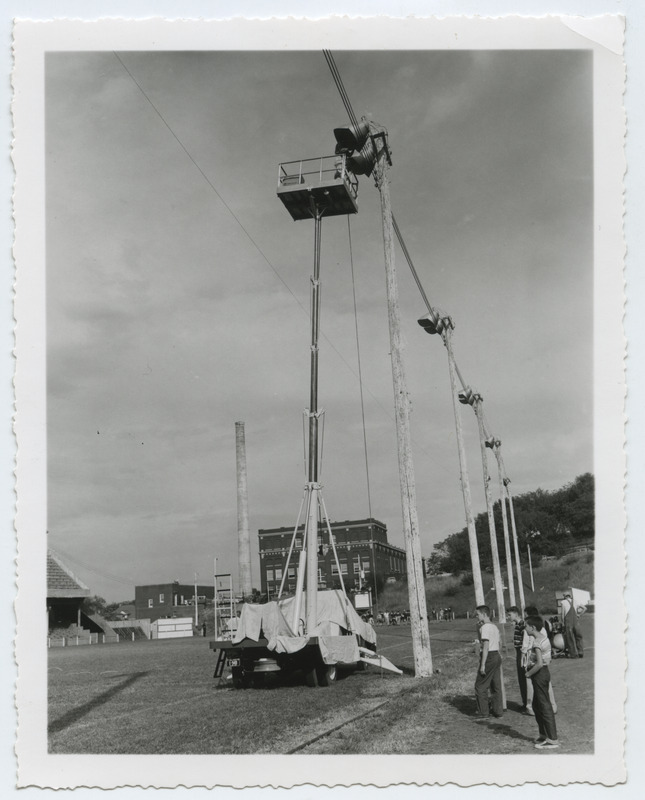
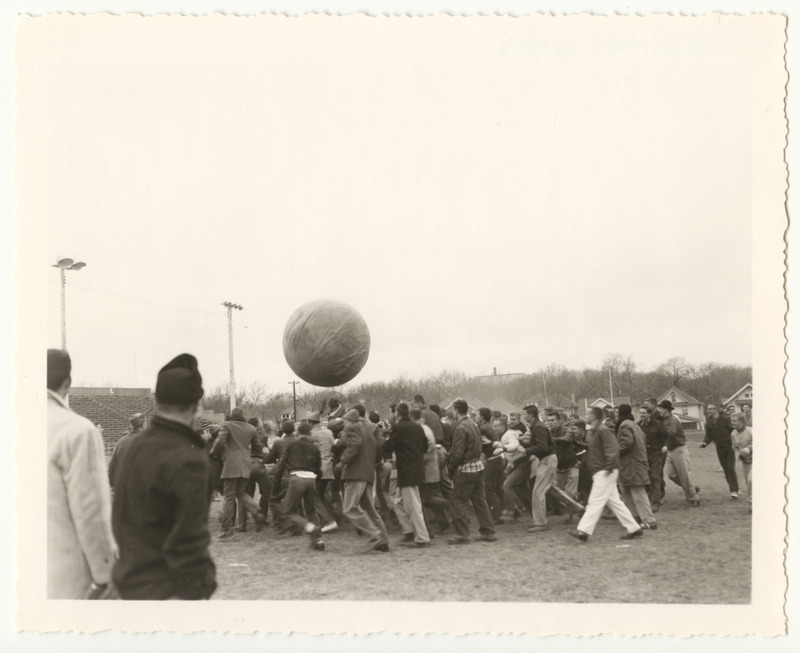
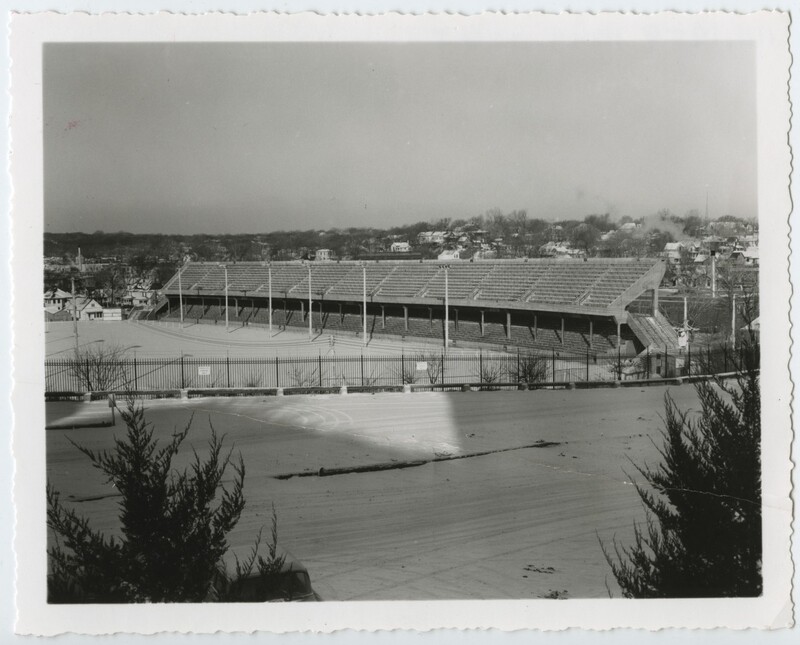
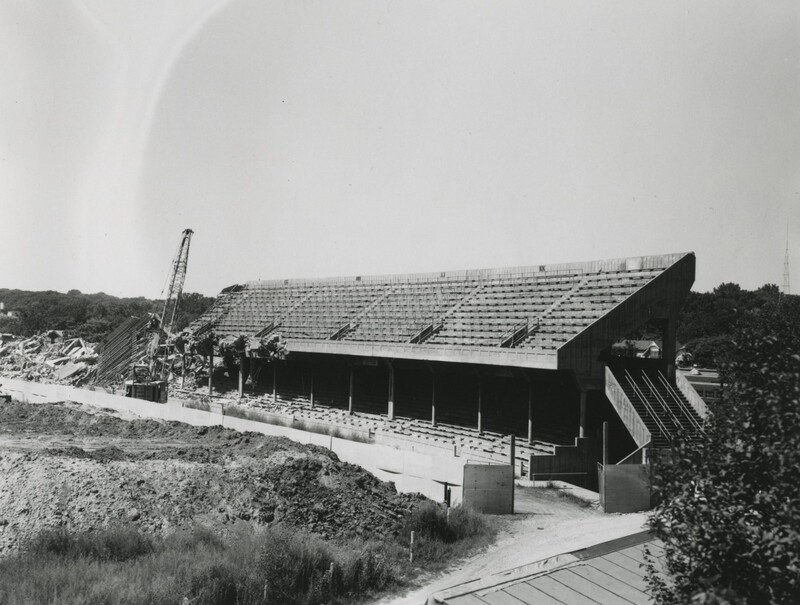
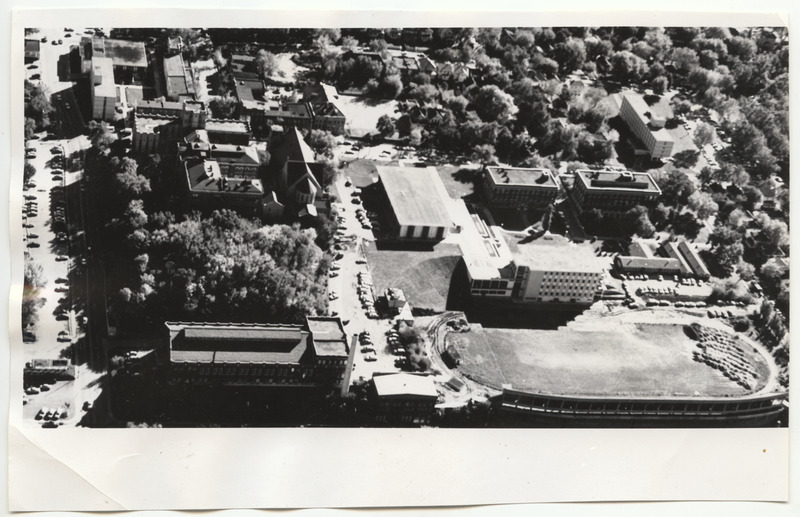
Creighton's concrete stadium, know simply as "Creighton Stadium" was built in 1925, hosting its first football game on November 21, 1925. Before the construction of the stadium, Creighton's outdoor stadium was a simple field surrounded by wooden bleachers. Creighton Stadium at at 15,000 seat capacity, making it the largest complex in Omaha at the time of construction. Creighton Stadium was home to football games and track matches. It also hosted a variety of other events, such as commencements, rodeos, religious gatherings, and served as ROTC training grounds and barracks during World War II.
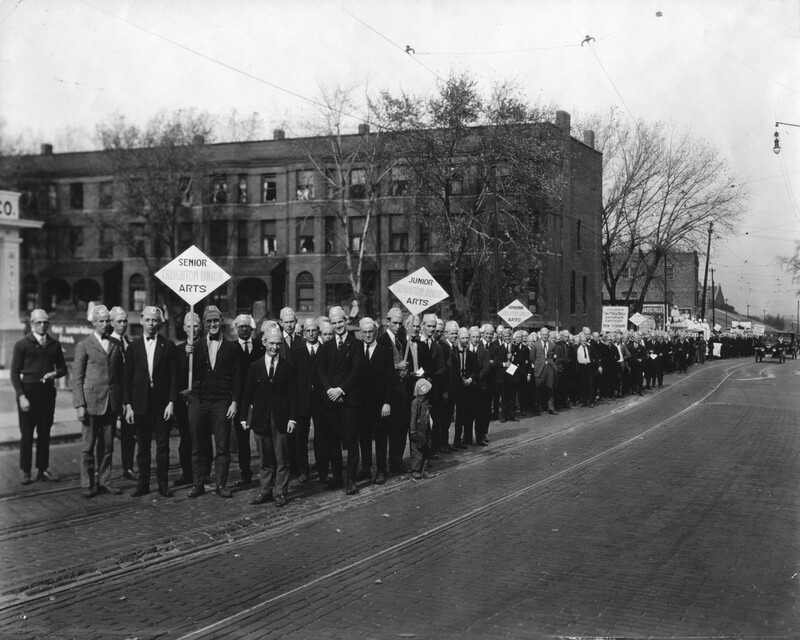
Creighton's alumni were particularly proud of Creighton Stadium because of the role they played in its construction. Creighton Stadium cost around $300,000 to build in 1925. Most of this cost was covered by a loan, however, more money would still be needed. So, Creighton launched a fundrasing campaign: "Buy a bag of cement for Creighton Stadium." Creighton students partnered wiht local businesses to sell enough $1 sacks of cement to help build the north and south ends of the Stadium. Creighton offered the top selling students prizes, such as typewriters, scholarships, summer vacations, and cars. This campaign was a huge success.
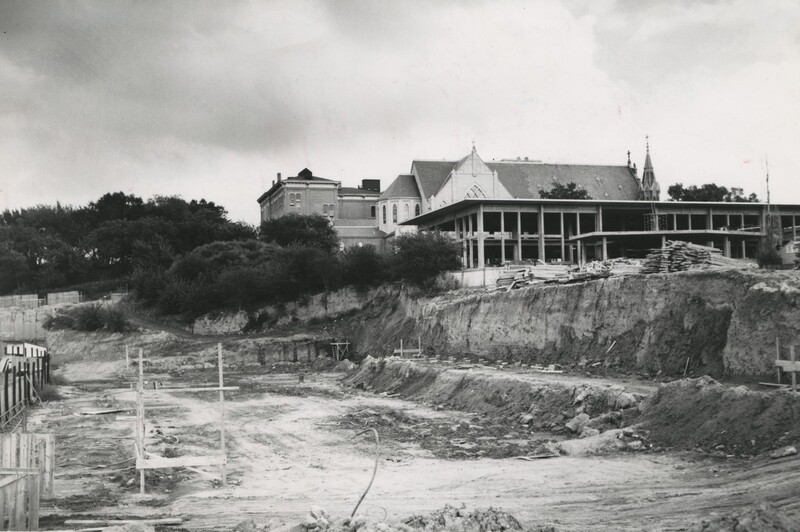
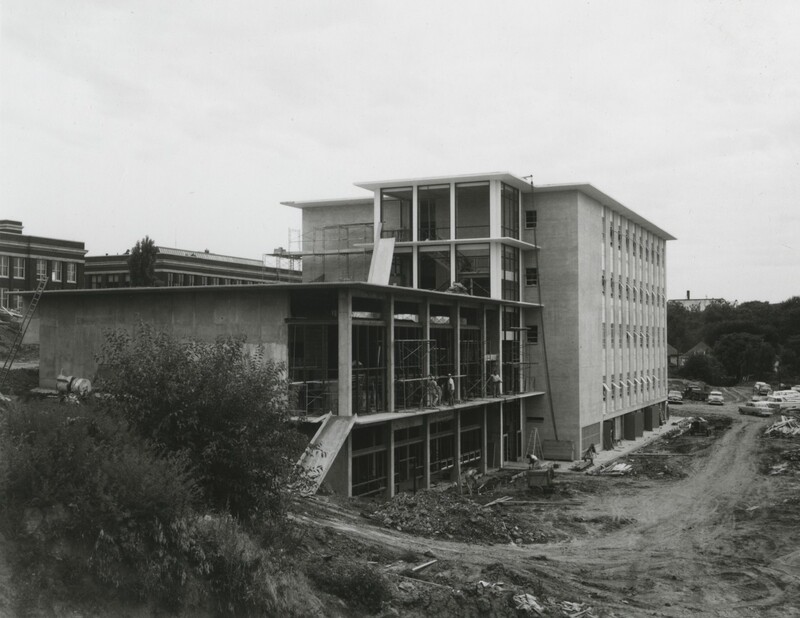
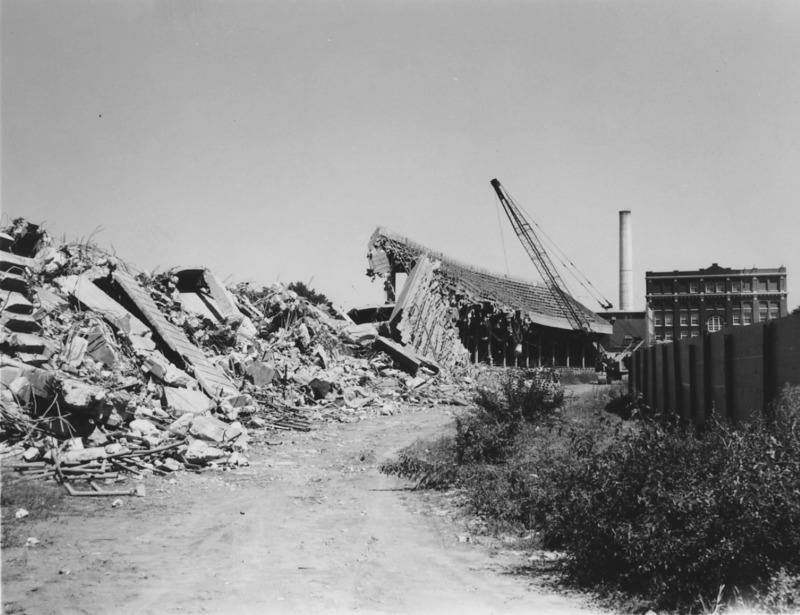
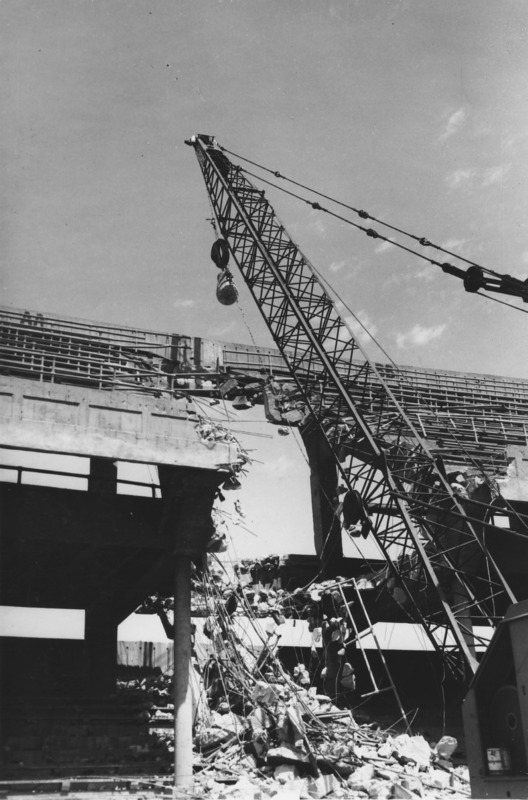
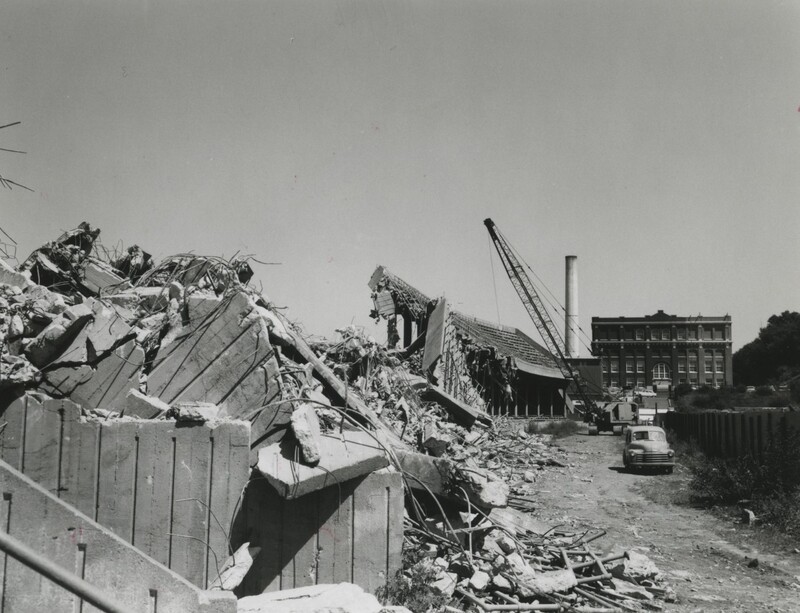
The Creighton Football Team was disbanded in 1942 during the war, but Creighton Stadium remained a fixture on campus until 1959. During the 1960's Creighton Stadium was destroyed in stages to make way for the Eppley Building and the Criss Complex.